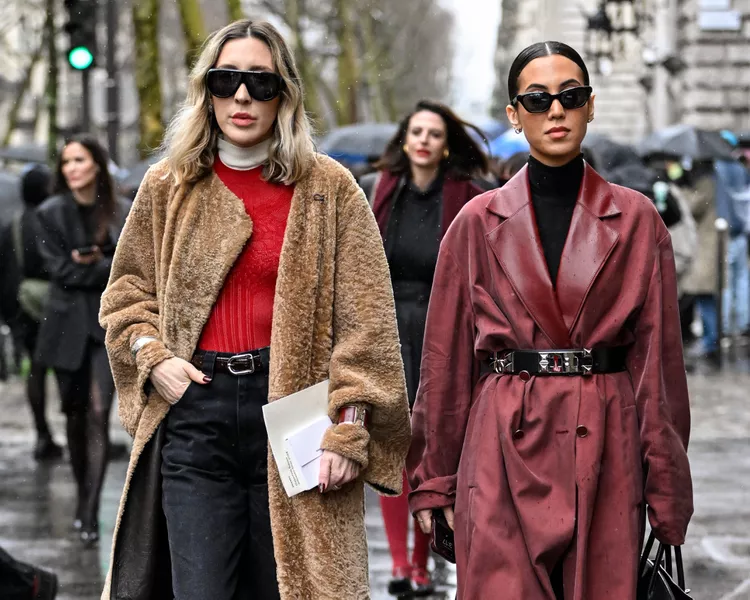
Bad layering does not make you look interesting. It makes you look late. The difference matters more than most people admit. A well-layered outfit can make an ordinary closet feel expensive, pulled together, and sharp without asking you to buy ten new things by Friday. That is why Expert Layering Guide for Chic Daily Dressing is not just a pretty phrase. It is a practical way to stop guessing every morning and start dressing with intent.
Most people do not fail at style because they lack taste. They fail because they stack clothes in the wrong order, pick fabrics that fight each other, or hide their shape under too much “just in case” clothing. I have done all three. The result was always the same: an outfit that felt heavy, busy, and oddly forgettable.
Good layering fixes that. It gives structure to soft pieces, ease to polished pieces, and personality to basics you already own. It also makes daily dressing less tiring, which nobody talks about enough. Once you know how to build an outfit in layers, you stop standing in front of the mirror negotiating with a cardigan like it has opinions.
Start With Shape Before You Start With Clothes
Strong outfits begin with silhouette, not shopping. That sounds unromantic, but it saves you from the common mistake of throwing on three nice pieces that become one confusing shape. When the outline looks clean, the rest of the outfit usually behaves.
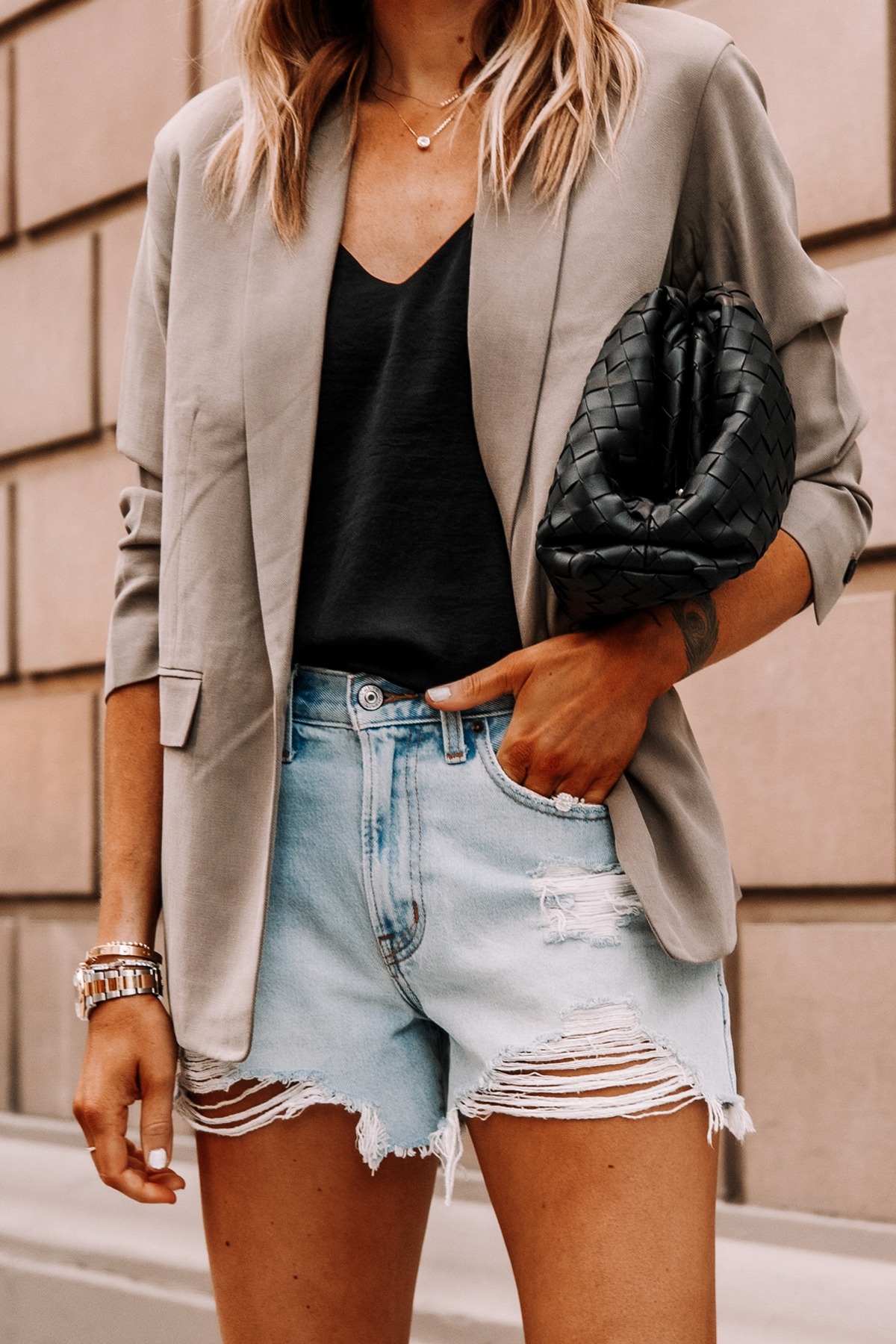
Your base layer should do one job well. A fitted tee, slim knit, tank, or crisp shirt gives the outfit a center of gravity. From there, you add one piece that frames the body rather than swallowing it. Think cropped jacket, open button-down, soft blazer, or long vest. The order matters because shape reads before color or detail.
I learned this after wearing an oversized sweater under an oversized trench and wondering why I looked like a moving laundry bag. The fix was embarrassingly simple. I switched the bulky sweater for a close-fit knit and kept the trench. Same mood, better result.
This is the rule I trust most: balance one relaxed piece with one piece that defines you. Wide trousers need a sharper top layer. A loose dress needs a jacket with some edge. Skinny jeans can handle a bigger coat. You do not need perfect proportions. You need contrast that feels intentional.
That small shift changes everything. Once the shape works, your outfit finally starts making sense.
Fabrics Decide Whether an Outfit Looks Rich or Messy
Texture is where layering either earns respect or loses it fast. You can wear plain colors and still look polished if the fabrics play well together. You can also wear expensive clothes and still look off if everything fights for attention.
Soft knits, crisp cotton, structured denim, brushed wool, satin, suede, and ribbed jersey each bring a different mood. The trick is not to pile on random textures. The trick is to pair them with purpose. A ribbed tank under a smooth shirt jacket feels clean. A silk skirt under a chunky knit feels alive. A denim layer under a tailored coat gives edge without trying too hard.
Weight matters just as much as surface. Thin pieces need support from something with body. Heavier pieces need breathing room. If you stack bulky fabrics from neck to knee, you lose movement and the outfit turns stiff. Nobody wants to look upholstered.
One of my favorite real-life fixes is a white cotton shirt under a fine-gauge sweater with straight-leg trousers and loafers. It sounds basic because it is basic. Yet the crisp collar against the soft knit creates enough contrast to feel considered. That is the point.
You do not need ten textures in one look. Two or three are usually enough. More than that, and the outfit starts shouting over itself.
Expert Layering Guide for Chic Daily Dressing in Real Life
The best outfits survive real life. They survive cold offices, warm sidewalks, grocery runs, coffee spills, school pickups, surprise meetings, and those days when your energy level sits somewhere between “fine” and “leave me alone.” Layering should help with that, not create fresh problems.
A useful outfit formula needs to move with your day. Start with a breathable base, add a middle layer with shape, then finish with a top layer you can remove without ruining the whole look. That last part matters. If you peel off the jacket and the outfit underneath looks unfinished, the formula was weak from the start.
Here is one that rarely fails: fitted tank, open striped shirt, ankle-length trousers, belt, and light trench. It works because each piece can stand on its own, but together they build rhythm. Another easy formula is column dressing: one color on top and bottom, then a contrasting outer layer. It makes you look taller and calmer in about ten seconds.
I once wore a black tee, black trousers, and a camel coat to a chaotic travel day and got more compliments than I did in outfits that took an hour. There is a lesson in that. People respond to clarity.
That is why repeatable formulas matter. They remove drama from daily dressing while keeping style fully intact.
Color Should Support the Look, Not Perform Tricks
Too many people treat color like the star of the outfit when it should often play supporting cast. Strong layering gets easier when your palette stays disciplined. That does not mean boring. It means edited.
Neutrals do a lot of heavy lifting because they let shape and texture speak first. Black, cream, navy, chocolate, gray, olive, camel, and white work well because they layer without friction. Then you can bring in one accent shade if you want attitude. One is plenty.
A smart way to avoid chaos is to anchor the outfit in two related tones. Cream and tan. Gray and black. Navy and white. Olive and beige. Once those are in place, you can add something brighter through a scarf, shoe, bag, or knit. Small color doses feel sharper than loud competition across every layer.
I like borrowing inspiration from editorial styling, but I rarely copy it literally. A runway look might pair scarlet, lilac, silver, and plaid because the point is spectacle. Your weekday outfit needs to survive daylight and a mirror that tells the truth. For broader fashion reference, the Vogue fashion section is a useful place to study styling direction without copying it piece for piece.
Color should give the outfit a point of view. It should not become the whole argument.
The Finishing Details Are Where Personal Style Finally Shows Up
Once the clothes are working, details decide whether the outfit feels generic or fully yours. This is where many people either quit too early or overdo it. Both mistakes leave money on the table.
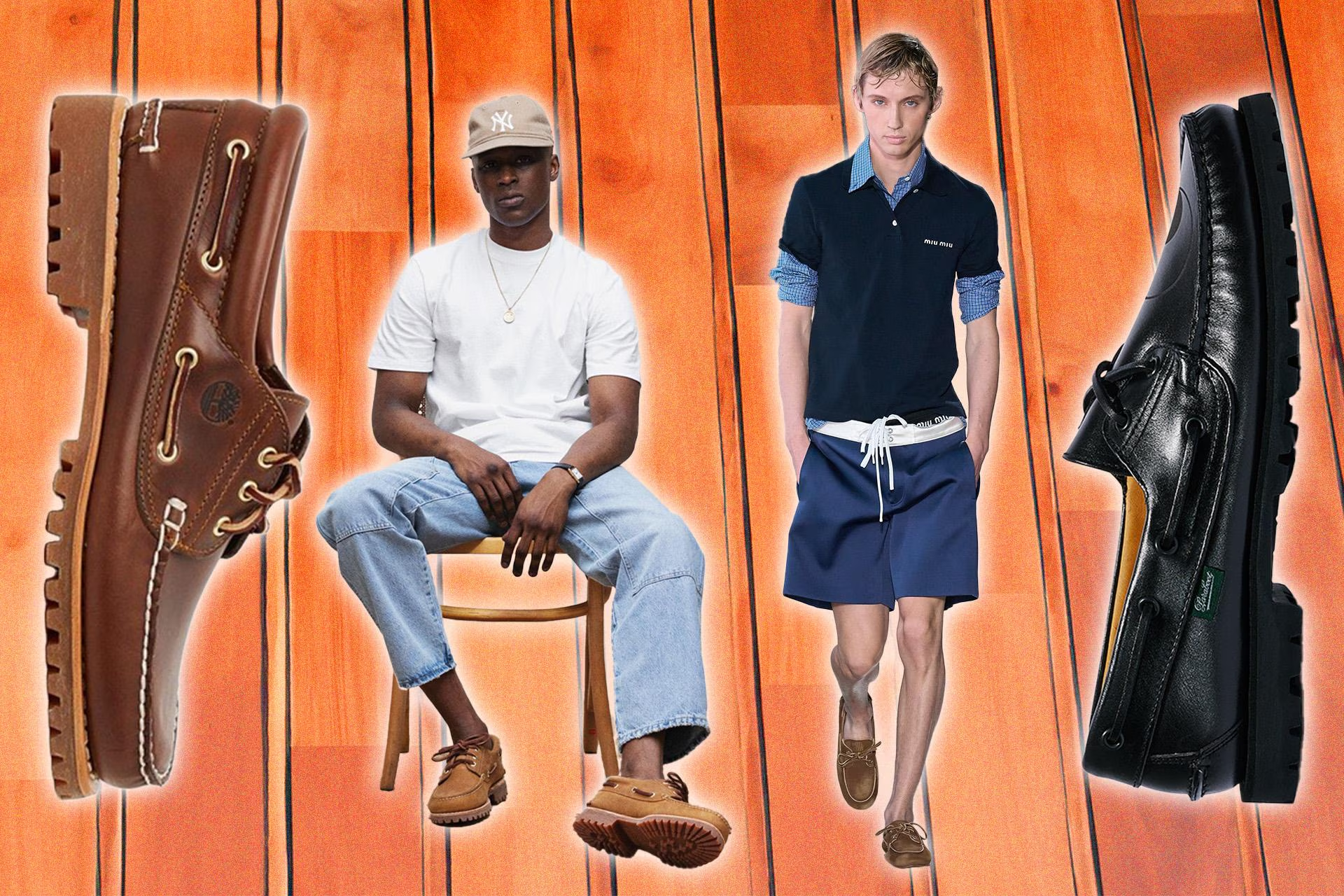
Shoes change the message first. Loafers make a layered look feel crisp. Sneakers loosen it. Ankle boots add shape and a little bite. Even the hem break matters. Cropped trousers with a clean shoe show intention, while pooled fabric can make the whole look feel sleepy.
Accessories should tighten the outfit, not clutter it. A belt can rescue shape. Earrings can brighten a plain knit. A structured bag adds confidence to soft layers. Sunglasses can do more for a tired outfit than an extra necklace ever will. Pick one or two finishing touches and let them land.
Personal style also shows up in what you refuse to wear. I almost never trust a giant blanket scarf indoors. It usually makes the outfit collapse. A sharp collar, on the other hand, can rescue a simple sweater in seconds. That is not a rule for everyone, but it is a useful reminder: style grows faster when you know your hard no.
And that is the final layer, really. Not fabric. Judgment.
Conclusion
Most style problems are not actually shopping problems. They are editing problems. You already own more than enough pieces to dress well, but they need order, contrast, and a little discipline. That is where Expert Layering Guide for Chic Daily Dressing earns its place. It gives you a way to build outfits that feel lighter, smarter, and far more believable than a pile of trend pieces ever will.
The bigger point is this: layering is not about adding more. It is about adding the right thing at the right moment. A shirt under a knit. A coat that sharpens instead of smothers. A shoe that shifts the mood without rewriting the outfit. Those small choices create the kind of style people notice without always knowing why.
You do not need a dramatic makeover. You need a better eye and a repeatable system. That is a much cheaper problem to solve, and a much more satisfying one.
So tomorrow, do one thing differently. Build your outfit in order, check the silhouette, cut one unnecessary piece, and finish with intention. Then keep going. Great style does not appear out of nowhere. It gets dressed on purpose.
What is the best way to layer clothes without looking bulky?
The best way is to combine one close-fit piece with one relaxed piece and keep heavy fabrics from stacking in the same area. Bulk usually comes from too many thick layers fighting for the same space.
How do you layer outfits for chic daily dressing in warm weather?
Warm-weather layering works when you use light fabrics like cotton, linen, and fine knits. Think tank plus open shirt, or dress plus light blazer, not sweater plus jacket plus regret.
Which colors work best for everyday layered outfits?
The easiest colors to build around are black, white, navy, cream, camel, olive, and gray. They mix well, calm the outfit down, and make one accent color feel intentional instead of random.
How can I make basic clothes look more stylish through layering?
Basic clothes look better when you create contrast in shape and texture. A plain tee with tailored trousers and an open overshirt feels styled, while the same tee alone can feel unfinished.
What are the biggest layering mistakes women make every day?
The biggest mistakes are ignoring silhouette, adding too many thick pieces, and choosing layers that only work together when the coat stays on. If one piece comes off and the outfit falls apart, rebuild it.
Can layering make a simple wardrobe feel more expensive?
Yes, and often faster than buying new clothes. Good layering adds depth, shape, and confidence, which is why even affordable basics can look elevated when they are styled with real intention.
How do I layer for the office without looking too stiff?
Start with a clean base like a knit top or shirt, then add one structured layer such as a blazer or long vest. Keep accessories edited so the outfit feels polished, not corporate and lifeless.
What fabrics should I mix for a polished layered look?
Mix fabrics that contrast gently, like crisp cotton with soft knit, satin with wool, or denim with tailoring. The aim is tension with control, not a costume made from every texture in your closet.
Are oversized pieces good for layered fashion outfits?
Oversized pieces work when the rest of the outfit gives them structure. A roomy blazer over a fitted tank looks sharp, but oversized on oversized can erase your shape and dull the whole look.
How do I layer dresses for everyday style without overdoing it?
Use a dress as the base, then add one practical layer such as a cropped jacket, knit, or button-down. Keep the rest clean so the dress still reads as the main idea.
What shoes look best with layered outfits for daily wear?
Loafers, sleek sneakers, ankle boots, and simple flats usually work best because they support the outfit instead of competing with it. The right shoe finishes the line of the look.
How can I build a repeatable layering formula for busy mornings?
Pick three or four outfit formulas that already suit your life, then rotate them with small changes in color or accessories. That habit saves time and keeps you stylish without daily overthinking.