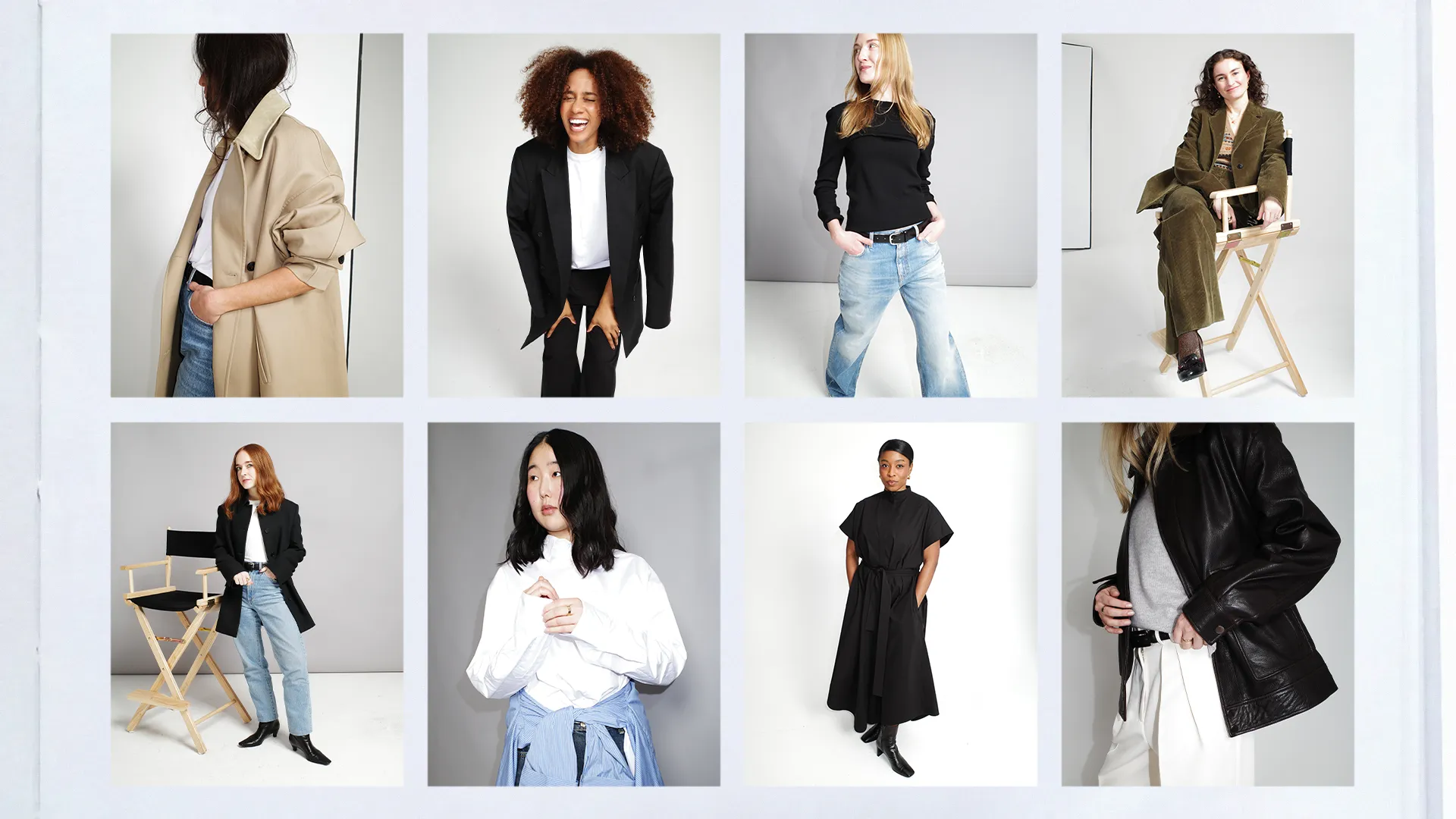
Bad layering makes you feel like a walking laundry basket. Good layering makes a plain outfit look intentional, polished, and quietly expensive. That is the whole difference, and it matters more than most people admit. Easy layered outfit ideas work because they solve two problems at once: they make you look better, and they make your closet feel bigger without forcing you to buy ten new things.
I learned that after ruining more outfits than I want to confess. I used to pile on cardigans, oversized shirts, and random jackets, then wonder why I looked swallowed whole. The fix was not more clothes. It was better order, sharper shape, and a little restraint. That part stings, but it is true.
Layering is not about showing off how many pieces you own. It is about creating movement, contrast, and clean lines that make your outfit feel finished. A fitted base, a relaxed middle piece, and one outer layer can do more for your look than a trendy item ever will.
For fresh runway-inspired styling tricks, Vogue’s layering guide is a smart source to browse when you want visual ideas beyond your own closet.
Start with shape before you start with clothes
Strong outfits begin with proportion, not shopping. When your base layer fits well, everything above it has a chance to look sharp instead of accidental. That is the rule I wish more people followed, because most layering mistakes start with a bulky first piece that throws off the whole silhouette.
A close-fitting tee, ribbed tank, bodysuit, or thin knit gives structure right away. Then you can build outward with more ease. If your first layer already sits wide on the body, the next layer usually turns messy fast. That is how you go from dressed to drowned.
I saw this play out on a friend getting ready for brunch last winter. She wore a slouchy sweater under a boxy blazer and added a scarf because the outfit still felt flat. The problem was not the scarf. The problem was the base had no shape, so every extra piece made the look heavier.
Clean layering loves contrast. Pair fitted with fluid, crisp with soft, neat with relaxed. A narrow tank under a loose white shirt and straight-leg trousers has balance. So does a thin turtleneck under a cropped jacket with a longer skirt. Your eye needs somewhere to land.
This is where many so-called best style ideas for modern women fashion miss the mark. They chase drama before they lock in shape. Start with structure first, and the rest becomes much easier.
Use one texture to wake the outfit up
Once the shape works, texture does the flirting. The fastest way to make a layered outfit feel richer is to mix surfaces that do not behave the same way. Denim beside knitwear, satin under wool, cotton against leather—those pairings create depth without shouting for attention.
You do not need a costume rack to make this happen. A soft grey knit over a crisp poplin shirt already changes the mood. A suede jacket over a plain jersey dress does the same thing. Texture gives the outfit a pulse, and flat outfits usually lack that pulse.
I still remember seeing a woman at a café wearing black jeans, a cream tee, and a brown leather jacket with almost no jewelry. The outfit was simple enough to sound boring on paper. In person, it looked excellent. The leather did all the heavy lifting because the texture gave the look tension.
The trick is to pick one hero texture, not four. When every layer begs for attention, the outfit starts arguing with itself. Let one fabric lead and let the others support it. That is how you get interest without noise.
This also saves money. You can repeat the same trousers, same tank, same boots, and change only the texture of the top layer. Suddenly the outfit feels new. That is not magic. It is just smart dressing.
Easy Layered Outfit Ideas that work on ordinary weekdays
Most people do not need fantasy outfits. You need combinations that survive work, errands, coffee runs, and the weird in-between hours when the weather cannot make up its mind. That is where Easy Layered Outfit Ideas earn their keep.
A white tank, open striped shirt, relaxed jeans, and loafers still wins because it is clean, comfortable, and never tries too hard. A fitted long-sleeve top under a sleeveless knit dress works for the same reason. It gives shape, adds warmth, and looks more thoughtful than a single-piece outfit.
Another favorite is the blazer-and-tee formula, but it needs one adjustment. Skip the stiff office blazer unless that is actually your life. A softer blazer with a little drape feels more current and far less uptight. Add dark jeans and simple sneakers, and you look pulled together without looking like you are headed to a panel discussion.
For colder days, a thin knit under a trench coat beats a chunky sweater under a puffer when you want polish. Bulk is not your friend every single time. Sometimes the smarter move is less thickness and better line.
That is the real test of style: does the outfit still work on a random Tuesday? If yes, keep it. If it only works in a mirror for six seconds, let it go.
Color is where layered outfits either shine or collapse
Color can rescue a basic outfit, but it can also wreck a good one in seconds. The easiest fix is to build around one anchor shade, then add one supporting tone. You do not need a rainbow. You need control.
Neutrals are popular for a reason. Black, cream, navy, charcoal, olive, and camel layer well because they leave room for shape and texture to stand out. That does not mean color is off-limits. It means color works better when it has a job.
A burgundy knit under a camel coat feels rich because both tones have depth. A pale blue shirt under a grey sweater feels crisp because the contrast stays gentle. But a neon top, bright plaid overshirt, and bold printed scarf? That can go sideways fast unless you really know what you are doing.
I learned this the hard way with a rust coat and a green sweater I swore looked “editorial.” It looked like I lost a bet. Since then, I trust one bold note at a time. One. That is enough.
This is also why best style ideas for modern women fashion should not bully you into wearing colors that fight your wardrobe. A beautiful tone is useless if it only works with one pair of shoes and a level of bravery you do not have at 8 a.m.
Finish with restraint, not extra stuff
The last layer is where people get greedy. The outfit already works, but then comes the giant scarf, stacked necklaces, oversized tote, belt, hat, and maybe sunglasses for drama. Suddenly the whole thing feels crowded. Style is not a buffet.
A good layered look usually needs one finishing move. That could be a long coat, a sharp belt, a small bag, or one piece of jewelry with presence. Pick the thing that completes the outfit and stop there. Stopping is a skill.
Shoes matter more than most accessories, and I will die on that hill. The wrong shoe can flatten the whole look. Sleek boots can sharpen wide trousers. Loafers can calm down a feminine skirt. Clean sneakers can make tailoring feel less stiff. Shoes decide whether the outfit lands modern or muddled.
I saw this once with two nearly identical outfits at an office event. Same black trousers, same fine knit, same coat. One woman wore heavy round-toe shoes and looked weighed down. The other wore pointed ankle boots and looked twice as put together. Tiny change. Big result.
That is the quiet power of restraint. You do not need more personality in the outfit. You need clearer decisions. Fashion rewards editing every single time.
Conclusion
Great layering is less about trend-chasing and more about judgment. You do not need a giant wardrobe, a designer budget, or the confidence of a runway model to dress well. You need a few pieces that fit, a sense of proportion, and the nerve to stop adding things before the outfit loses its nerve.
That is why Easy Layered Outfit Ideas matter so much. They teach you how to think, not just what to wear. Once you understand shape, texture, color, and restraint, your closet starts working harder for you. The same shirt looks sharper. The same jeans feel newer. Even your old coat gets a second life when the layers under it make sense.
Here is the part many people miss: better style rarely comes from buying more. It comes from seeing more clearly. You start noticing where an outfit feels heavy, where a color fights back, where a jacket needs a cleaner base. Then getting dressed becomes easier, faster, and honestly more fun.
So do this next: open your closet, build three layered looks with pieces you already own, and judge them in daylight, not wishful thinking. That is how better style begins—one edited outfit at a time.
What are the easiest pieces to use for layered outfits?
The easiest pieces are fitted tanks, plain tees, thin knits, open button-down shirts, blazers, trenches, and straight-leg jeans. They mix well, do not fight each other, and give you room to build without looking bulky.
How do I layer clothes without looking bulky?
Start with the thinnest and most fitted piece closest to your body. Then add one relaxed layer and one outer layer with shape. When every piece sits loose, the outfit loses definition and starts looking heavy.
Which colors work best for layered outfit combinations?
Neutrals usually work best because they stack cleanly and make texture easier to notice. Black, cream, navy, camel, olive, and grey give you more freedom, while one stronger accent color can keep the outfit lively.
Can layered outfits work in warm weather too?
They can, and they often look better than heavy winter layering. Use light fabrics like cotton, poplin, linen blends, and thin jersey. Think shirt over tank, vest over dress, or open overshirt with tailored shorts.
What shoes look best with layered everyday outfits?
Shoes should support the shape of the outfit, not compete with it. Loafers, ankle boots, sleek sneakers, and simple ballet flats usually work well because they finish the look without adding visual chaos.
How many layers should an outfit usually have?
Three visible layers is a sweet spot for most people. That could mean a base top, a middle piece, and an outer layer. More can work, but only when the fabrics stay light and the proportions stay clear.
Are oversized clothes good for layered styling?
They are good when you balance them with something cleaner underneath. An oversized shirt over a fitted tank looks intentional. An oversized shirt under an oversized blazer usually looks like you borrowed half a wardrobe in a panic.
What is the biggest mistake people make with layered fashion?
The biggest mistake is adding pieces before checking the silhouette. People often chase interest with more clothes when the real issue is poor shape. Fix the line first, and the outfit usually improves immediately.
How can I make old clothes feel new through layering?
Pair them in combinations you normally ignore. Put a fine knit under a slip dress, wear a crisp shirt open over a column outfit, or add a belt over outerwear. Small shifts can change the whole mood.
Do layered outfits work for petite women?
They do, but proportion matters more. Shorter frames usually benefit from thinner fabrics, cropped jackets, defined waistlines, and cleaner hemlines. The goal is vertical flow, not piling on pieces that chop the body up.
What jackets are best for building layered outfits?
Blazers, trench coats, cropped jackets, denim jackets, and light wool coats are dependable choices. They add structure without forcing the outfit into one mood, which makes them far easier to repeat across seasons.
How do I build a layered wardrobe without buying too much?
Buy around repeatable basics instead of statement pieces that only work once. A few fitted tops, one good shirt, one knit, one blazer, one coat, and versatile trousers will take you much further than impulse trend shopping.