Bad layering makes you look like you got dressed in the dark. Good layering makes even plain clothes feel expensive. That gap matters more than most people admit, and it is exactly why Top Layered FashionIdeas for Chic Looks works as more than a trend phrase. It points to a skill that changes your whole wardrobe.
I learned that the hard way after years of piling on cardigans, jackets, scarves, and random “finishing pieces” that finished nothing. The clothes were not ugly. The order was wrong. The weight was off. The proportions kept fighting each other, and the outfit always looked one decision too busy.
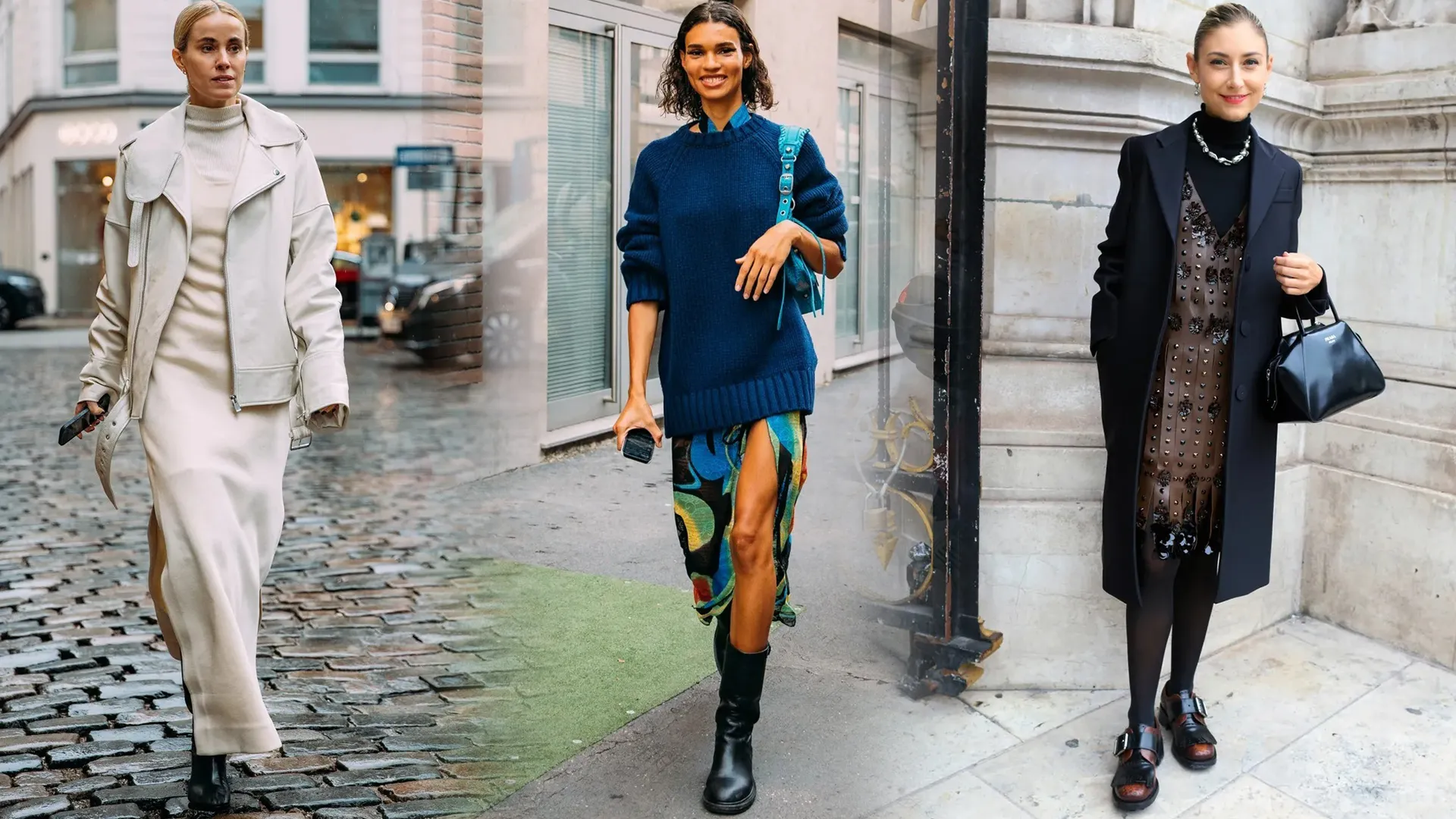
Once you understand layering, you stop shopping in panic and start dressing with purpose. A thin knit under a sharp blazer suddenly looks intentional. A long coat over a close-cut tee and wide-leg trousers looks calm instead of stiff. That is the difference. You stop adding items just because the weather says so, and you start building outfits that hold their shape.
Style is not about wearing more. It is about knowing what deserves space and what should stay quiet.
Why Good Layering Starts With Shape, Not More Clothes
Most women get layering wrong for one simple reason: they think in items, not lines. They add a vest, then a scarf, then a jacket, then wonder why the mirror looks annoyed. The fix starts with silhouette before fabric, color, or trend.
A strong layered outfit usually has one clean base and one visible frame. That might mean a fitted tank under an oversized shirt, topped with a cropped trench. Or a slim knit dress under a long coat with boots. You need one piece to sit close to the body and another to create motion around it. That contrast does the heavy lifting.
Length matters more than people expect. When every layer ends at the same point on your body, the outfit stalls out. It looks flat. But when the hem of a shirt peeks below a sweater, or a blazer stops above a longer skirt line, the outfit starts to move. That tiny shift makes you look styled rather than stuffed into clothes.
I saw this click on a friend who wore a boxy sweater over a midi slip skirt and almost gave up on it. We swapped the sweater for a shorter one and added a longer coat. Same closet, better shape. Instant difference.
Before you buy another layer, study where each one begins and ends. That is where the outfit either wins or falls apart.
The Pieces That Pull More Than Their Weight
A layered wardrobe does not need thirty pieces. It needs a few reliable ones that behave well together. Some clothes earn their place every week. Others just take up hanger space and create chaos before brunch.
The first hero piece is the thin knit. It slips under blazers, denim jackets, wool coats, and sleeveless dresses without creating bulk at the arms. It also makes transitional weather easier, which matters when the morning feels cold and the afternoon acts like spring forgot the calendar.
The second workhorse is the button-down shirt. A crisp white one gives structure. A striped one adds movement. Wear it under a crewneck sweater, half-open over a tank, or beneath a slip dress when you want the outfit to look sharper without trying too hard. That piece stays useful because it can behave polished or relaxed.
Then comes the outer layer that finishes the outfit instead of merely covering it. A trench, cropped leather jacket, or straight wool coat does that well. They add an edge around the body, and that edge is what keeps soft layers from turning sleepy.
My own rule is blunt: if a piece cannot work in three layered outfits, it does not belong in a style-first closet. Harsh? Maybe. Accurate? Very.
For more guidance on building pieces that actually work together, the CFDA style resources offer a good broader look at how fashion structure and design choices shape what we wear.
How to Mix Texture Without Looking Overdone
Texture is where layered outfits stop feeling basic. It is also where many outfits go off the rails. People hear “mix textures” and start stacking rib knit, faux fur, satin, suede, heavy denim, and leather like they are building a craft project. That is not style. That is noise.
The trick is contrast with restraint. Pair one soft surface with one crisp or rugged surface, then let the rest calm down. A satin skirt with a brushed sweater works because the finish shifts, but the outfit still feels settled. A ribbed knit under a structured blazer works for the same reason. You notice depth without seeing a costume.
Weight matters as much as feel. Heavy fabrics need breathing room. If you wear chunky knitwear with thick wool trousers and a padded coat, your outfit can start to look dense even if the colors match. Break that up with a smooth base layer or a cleaner shoe. Texture should create interest, not visual traffic.
One of the best cold-weather outfits I have seen lately was deeply simple: cream ribbed turtleneck, faded straight-leg jeans, dark brown suede jacket, and sleek loafers. Nothing loud. Everything balanced. The suede carried the mood, and the other pieces knew when to stay quiet.
This is where Best Style Ideas for Modern Women Fashion actually earns its keep as a phrase. Modern style rarely asks for more decoration. It asks for better tension between surfaces.
When texture works, the outfit feels rich before anyone notices why.
Color Pairing Is Where Most Layered Outfits Fail
Color wrecks more layered looks than fit does. That sounds unfair, but it is true. You can wear decent pieces with decent proportions and still miss the mark if the shades keep arguing with each other.
The smartest layered outfits usually stick to a tight color story. That does not mean everything must match. Matching can look dull. It means the colors should feel related, like they belong in the same sentence. Cream with camel and black works. Grey with navy and burgundy works. Chocolate with butter yellow can look fantastic when the tones feel grounded.
What often fails is random contrast. A cool grey coat, warm beige sweater, bright white tee, and dusty olive pants might each be nice on their own, but together they can feel accidental. Layering needs some control. One anchor shade should lead, and the others should support it.
I like using the shoe or bag to settle the outfit. If your layers feel slightly scattered, a dark brown boot or black belt can pull the whole thing back into line. Small things save outfits all the time.
A woman in my neighborhood wears the same formula every winter and it never misses: ivory knit, black trousers, long camel coat, gold hoops, dark loafers. No drama, just taste. That consistency is the point.
This is also where Best Style Ideas for Modern Women Fashion should mean something real. Modern does not mean louder. It means edited.
Top Layered Fashion Ideas for Chic Looks in Real Life
The best outfits survive real life. They work when you are late, when the café is overheated, when the office air conditioning picks a fight, and when you need to go from errands to dinner without changing in a public restroom. Theory is nice. Wearability wins.
For everyday city dressing, I love a fitted tee, open button-down, straight jeans, long coat, and clean ankle boots. It looks pulled together even when you barely had time for coffee. The open shirt softens the look, and the coat gives it authority. Easy, not lazy.
For work, go with a fine-knit top under a blazer, wide-leg trousers, and a belt that adds a little polish. If the room feels cold, add a lightweight wool scarf and leave it hanging indoors. That move looks smarter than hauling around a giant cardigan like a security blanket.
For dinner or events, a slip dress under a cropped jacket still works because it gives you shape without trying to turn you into someone else. Add a long coat for the walk in, then let the shorter jacket handle the silhouette once you sit down. That change in length keeps the outfit alive.
The strongest version of Top Layered Fashion Ideas for Chic Looks is not dramatic. It is repeatable. That is the real test.
If an outfit looks great only while you stand perfectly still, it is not chic. It is fragile.
Conclusion
Layering gets treated like a cold-weather habit, but that misses the point. It is really a styling skill, and once you get it right, your whole closet starts behaving better. You buy less nonsense. You stop chasing outfits that look good only on strangers online. You begin to trust your own eye.
What matters most is not piling on pieces. It is choosing shape first, then texture, then color, and finishing with one outer layer that gives the outfit a backbone. That order saves you from bulk, clutter, and the kind of dressed-up confusion that makes even pricey clothes look tired.
The real promise of Top Layered Fashion Ideas for Chic Looks is not perfection. It is control. You start knowing why an outfit works, which means you can repeat the result without copying anyone. That is where personal style finally stops feeling vague and starts feeling useful.
So here is the next move: open your closet, pull three pieces you already own, and build one outfit around contrast in length and weight. Then do it again tomorrow with fewer items, not more. Your best layered look is probably already hanging there, waiting for better decisions.
FAQs
What are the best layered outfit ideas for women who want to look chic every day?
Start with one close-fitting base, add one relaxed middle layer, and finish with a strong outer piece. That formula looks polished, feels wearable, and works with clothes you already own.
How do you layer clothes without looking bulky or shapeless?
Keep the inner layer slim, watch where each hem falls, and avoid stacking thick fabrics on every level. Bulk usually comes from too many heavy pieces competing at once.
Which fabrics work best for layered fashion in cooler weather?
Fine knits, cotton shirting, wool blends, denim, and smooth satin all work well because they create contrast without fighting each other. Weight balance matters more than fancy labels.
Can layered outfits still look stylish on petite women?
Yes, but proportions need more care. Shorter jackets, visible waist definition, and cleaner hemlines help a lot. When every layer runs long, a petite frame can disappear fast.
How many layers should a chic outfit usually have?
Three visible layers often hit the sweet spot. You get enough depth to look styled without crossing into “I got dressed in a coat closet” territory.
What colors make layered outfits look more expensive?
Tight color families usually win. Think camel, cream, black, navy, chocolate, soft grey, or deep burgundy. Rich-looking outfits rarely rely on random bright contrast to make their point.
Is a button-down shirt good for layering with modern women’s fashion?
It is one of the smartest pieces you can own. A button-down can sharpen a sweater, soften a blazer, or add structure under a dress without demanding too much attention.
What jacket styles work best for layered looks?
A trench, cropped leather jacket, straight wool coat, or clean blazer tends to work best. Each one frames the outfit and gives soft layers a stronger finish.
How do you layer clothes for work and still stay comfortable?
Use thin base layers, breathable fabrics, and one outer piece you can remove easily. Office outfits fail when they trap heat or need constant adjustment by midday.
Are scarves still stylish in layered outfits for women?
Yes, but only when they support the outfit instead of smothering it. A light scarf hanging loose looks sharp. An oversized one can swallow your shape.
What is the easiest layered outfit to build from a basic closet?
Try a fitted tee, striped shirt worn open, straight jeans, and a long coat. It feels current, works in real life, and does not ask you to buy anything strange.
How can I improve my layering skills without buying new clothes?
Photograph your outfits and study the lines. Notice where hems stop, where bulk shows up, and which colors clash. Good layering usually comes from editing, not shopping.