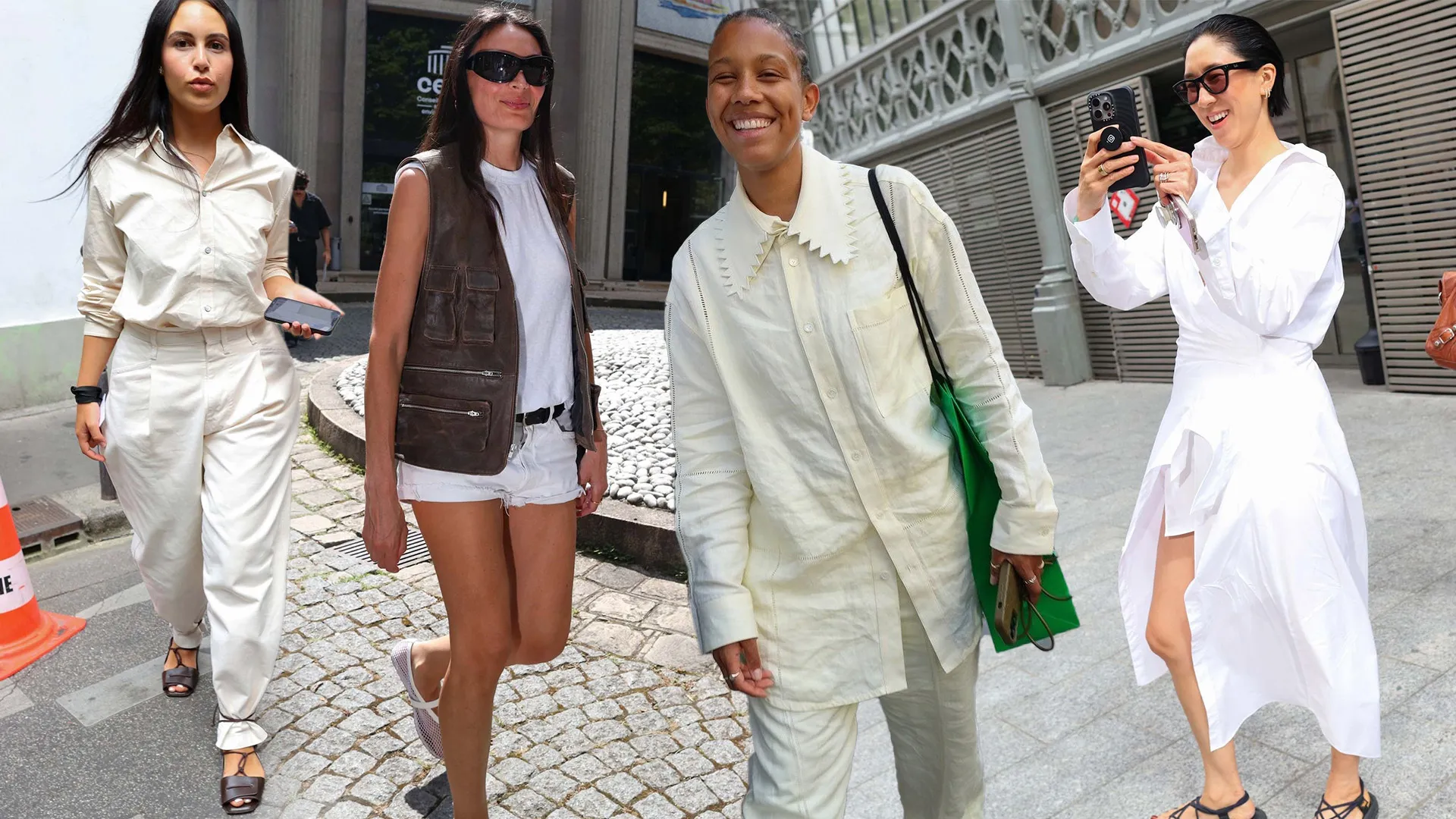
Bad layering can make expensive clothes look confused. Good layering can make a simple black dress and an old blazer look like you planned the whole thing a week in advance. That is the difference most people miss when they chase trends instead of learning shape, texture, and restraint.
The smartest way to build fancy outfit style is to stop treating layers like backup pieces. Your base, your middle layer, and your topper all carry equal weight. One weak link and the whole look falls flat. I learned that the annoying way, after wearing a satin slip dress under a stiff cropped jacket that made me look like I got dressed in a moving car.
Elegant layering is less about piling things on and more about editing. You need balance, breathing room, and one piece that does a little showing off. For fabric ideas and finish details, even the Vogue fashion section is useful for spotting how texture changes the mood of an outfit without changing the whole wardrobe.
Once you understand proportion, layering stops feeling risky. It starts feeling like power you can wear.
Start With a Base That Knows Its Job
A layered outfit fails early when the first piece tries to do too much. Your base should hold shape, flatter your body, and stay calm while the outer pieces bring drama. That means slip dresses, fitted knits, clean button-downs, column skirts, and sleeveless mock-neck tops earn their place fast.
The mistake I see most often is starting with bulk. A ruffled blouse under a heavy cardigan under a coat sounds rich on paper. On the body, it can feel crowded and hot. Fancy dressing needs air. It also needs intention.
A silk camisole under a sharp blazer works because each piece has a clear role. One softens. One defines. One frames. You can see this in real life at weddings, work dinners, and winter parties where the women who look best are rarely wearing the most pieces. They are wearing the right ones.
Color matters here too. A cream base makes a dark outer layer feel polished. A black base lets metallic jewelry and textured jackets stand out without fighting for attention. Keep the first layer clean, and the rest of the outfit starts behaving better.
That calm foundation sets up everything that follows, which is where most outfits finally start to look expensive instead of merely busy.
Use Contrast in Fabric, Not Chaos in Design
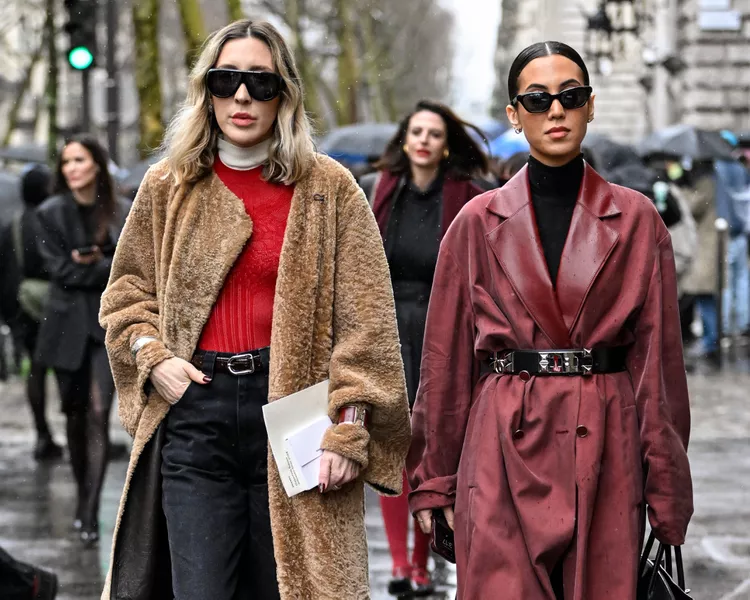
Once your base is steady, fabric does the real magic. Texture creates depth faster than loud prints ever will. Satin with wool, lace with denim, crepe with suede, fine knit with structured tweed—those pairings read grown-up because they create tension without noise.
This matters more than people think. A full outfit made from the same finish can look flat, even if every piece is beautiful on its own. Head-to-toe matte often feels heavy. Head-to-toe shine can look thirsty. You want a conversation between surfaces, not a shouting match.
One of my favorite evening combinations is a matte black turtleneck tucked into a fluid satin skirt with a short wool coat on top. Nothing in that outfit screams. Yet the contrast does all the talking. It looks thought-out, not overdone.
Texture also helps when you want to dress up familiar pieces. A crisp white shirt under a velvet vest feels sharper than a basic blouse on its own. A fine ribbed knit under a sleeveless dress can turn a warm-weather piece into something fit for a chilly dinner reservation. That is real-world dressing. Clothes should work harder than your calendar.
This is where modern women fashion gets interesting. The women with the strongest style rarely buy more. They combine finishes better, and the outfit gains depth without gaining mess.
Control Proportion Before You Add More Pieces
Layering turns ugly when proportion gets ignored. You can own beautiful clothes and still end up looking swallowed, chopped in half, or oddly square. That is not a style problem. That is math.
Length, width, and visual weight need to cooperate. If your base is flowy, your next layer should bring shape. If your outer layer is oversized, something underneath needs to stay neat. A longline vest over wide-leg trousers can work, but only if the inner top gives the eye a place to rest.
I learned this during a formal dinner where I wore a midi dress, a long cardigan, and knee boots. Each piece looked good alone. Together, the outfit dragged downward like it had given up. The next time, I swapped the cardigan for a cropped jacket. Same dress. Same boots. Whole different woman.
Belts help, though people misuse them. A belt should restore shape, not cut your body into awkward sections. Put it where your waist naturally feels strongest, then check the mirror from the side. That side view tells the truth faster than the front ever will.
Shoulders matter too. A structured shoulder can rescue a soft skirt. A clean neckline can sharpen a loose coat. When the shape works, you do not need extra tricks. You just need the nerve to stop adding pieces after the outfit is already done.
Build Fancy Outfit Style With One Hero Piece
A strong layered look needs a leader. Not five. One. Pick the item that carries the mood, then let everything else support it. That hero piece might be a satin blazer, a beaded bag, a tailored coat, dramatic earrings, or a pair of heels with real attitude.
This is the step that saves you from costume territory. People often confuse “fancy” with “more.” More sparkle. More accessories. More statements. It rarely ends well. Fancy works best when one thing gets the spotlight and the rest act like adults.
A friend of mine wore a plain black jumpsuit to an engagement dinner and threw on an ivory cape coat over it. That coat did all the heavy lifting. She did not need stacked necklaces, glitter shoes, and a loud clutch to prove anything. The outfit already had a center of gravity.
You can do the same with smaller pieces. A dramatic brooch on a clean blazer. Opera-length gloves with a sleeveless dress. A sculptural bag against a simple monochrome outfit. That single standout piece gives the eye a destination, which makes the whole look feel composed.
The trick is restraint. Hard word. Great result.
Once you choose the hero, every other layer should answer one question: does this support the mood or steal from it? If it steals, cut it.
Best Layering Tips for Fancy Outfit Style in Real Life
Theory sounds nice until you are late, tired, and trying to get dressed for a dinner you already regret saying yes to. Real style has to survive real life. That means your layers must move well, sit well, and keep looking good after two hours in a chair.
Start by dressing for the setting, not for fantasy. A rooftop dinner needs a light outer layer that still looks elegant when worn open. A wedding reception calls for pieces you can dance in without yanking at necklines or fixing straps every ten minutes. Fancy should never feel fragile.
Weather deserves more respect too. In cooler months, a fitted knit under a sleeveless midi dress works harder than a flimsy shawl ever will. In warmer weather, a sheer overlay or soft blazer gives polish without turning you into a human sauna. Comfort is not boring. Discomfort is distracting.
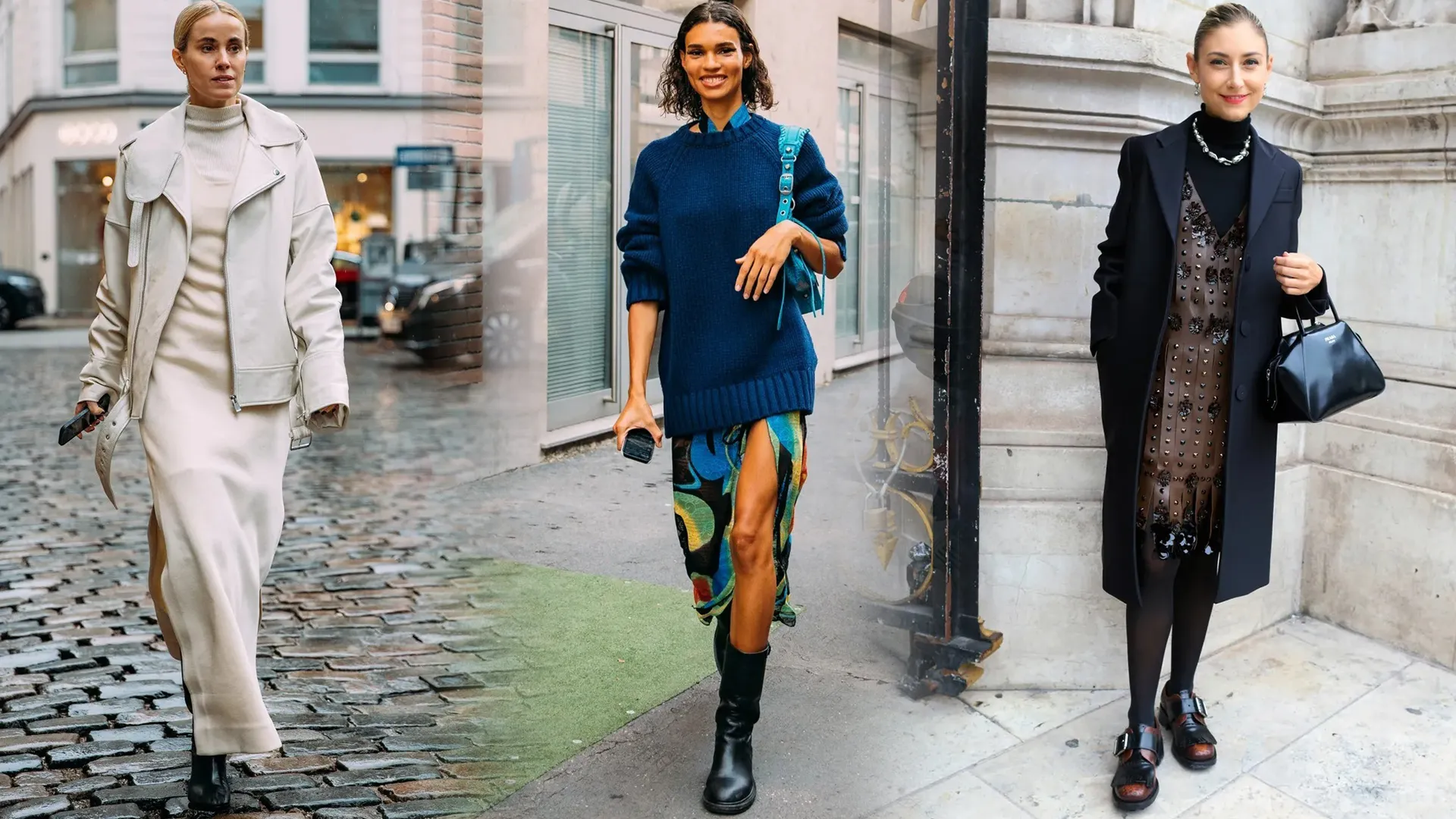
Shoes must belong to the same story. Strappy heels with heavy winter layers can look confused. Sleek boots with a long dress and sharp coat usually make more sense. Same with handbags. A slouchy tote can ruin an evening look in seconds. Swap it for a structured mini bag and suddenly the whole outfit tightens up.
That is why modern women fashion keeps circling back to wearability. A look earns respect when it survives the night and still feels like you, not like a costume you cannot wait to peel off.
Conclusion
The best layered outfits do not beg for attention. They hold it. That is the difference worth chasing. When you understand shape, texture, restraint, and comfort, you stop copying looks and start building them with your own judgment.
That matters because trends move fast and personal style does not. A trendy jacket can be fun for a season. A sharp eye for balance can serve you for years. I would take that trade every time. The women who dress well over the long run are not guessing. They know when to soften a look, when to sharpen it, and when to stop before the outfit starts performing instead of flattering.
Your next step is simple: pull one dress, one fitted top, one outer layer, and one standout accessory from your wardrobe. Try them on together. Then remove one thing before you leave the house. That last edit changes everything.
If you want your fancy outfit style to look richer, cleaner, and more current, stop buying random statement pieces and start mastering combinations. Build smarter outfits with what you already own first. Then shop with a colder eye and much better taste.
What is the easiest way to layer a fancy outfit without looking overdressed?
The easiest route is to keep your base simple and let one outer piece set the mood. A fitted dress with a tailored blazer or a fine knit with a satin skirt usually looks polished without tipping into costume.
How do you layer formal clothes in cold weather and still look elegant?
You need warmth that stays slim. Pick close-fitting knits, lined coats, tall boots, and fabrics with drape instead of puff. Bulky layers kill shape fast, so warmth should sit close to the body.
Which fabrics look best when layering dressy outfits for women?
The strongest pairings mix soft and structured finishes. Satin with wool, knit with silk, velvet with crisp cotton, and crepe with suede all create depth. Texture gives dressy outfits life without making them noisy.
Can you wear a blazer over an evening dress and still look feminine?
Yes, and it often looks better than a shrug or shawl. The key is fit. A blazer with a defined waist or clean shoulder adds edge while still letting the softness of the dress do its work.
How do you make a simple dress look more luxurious with layers?
Add one layer with shape and one accessory with presence. A sharp coat, fitted jacket, or elegant knit can lift the dress fast. Then finish with good shoes or jewelry that looks intentional, not random.
What colors work best for classy layered outfits?
Neutrals do the heavy lifting because they make textures stand out. Black, cream, charcoal, navy, chocolate, and soft taupe layer beautifully. Then you can add one accent shade if the outfit needs a pulse.
How many layers should a fancy outfit usually have?
Most strong dressy looks land at two or three visible layers. More than that can work, but only when each piece earns its place. If one layer feels fussy or unnecessary, it usually is.
Are long cardigans good for elegant outfit layering?
Sometimes, but only when the shape stays clean. A long cardigan can drag down a formal look if it looks sleepy or stretched out. Choose refined fabric, slim lines, and a hem that works with the dress length.
What shoes work best with layered dressy outfits?
Shoes should match the weight of the outfit. Sleek boots suit heavier layers and cool weather. Strappy heels fit lighter fabrics and open necklines. When the shoe clashes with the outfit’s mood, the whole look wobbles.
How do you layer accessories without making the outfit look busy?
Choose one area to emphasize. That might be earrings, a bag, gloves, or a belt. Once one accessory takes the lead, the others need to stay quiet. Fancy style falls apart when every piece wants applause.
Can layering help flatter different body shapes in formal fashion?
Yes, when you use it to guide the eye. A cropped jacket can lift your frame, a long vest can lengthen it, and a belt can define shape. Good layering is less about hiding and more about steering attention.
What is the biggest mistake people make with fancy layering?
They add pieces without editing the final look. That is the trap. A fancy outfit should feel composed, not crowded. When you keep adding “just one more thing,” style turns into clutter very quickly.