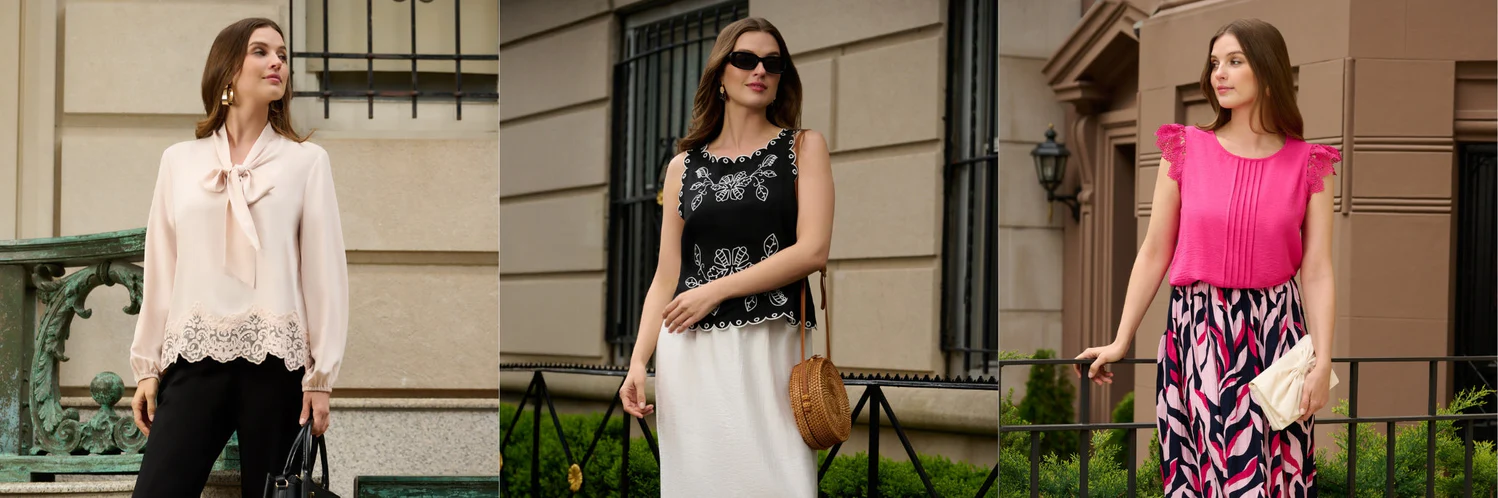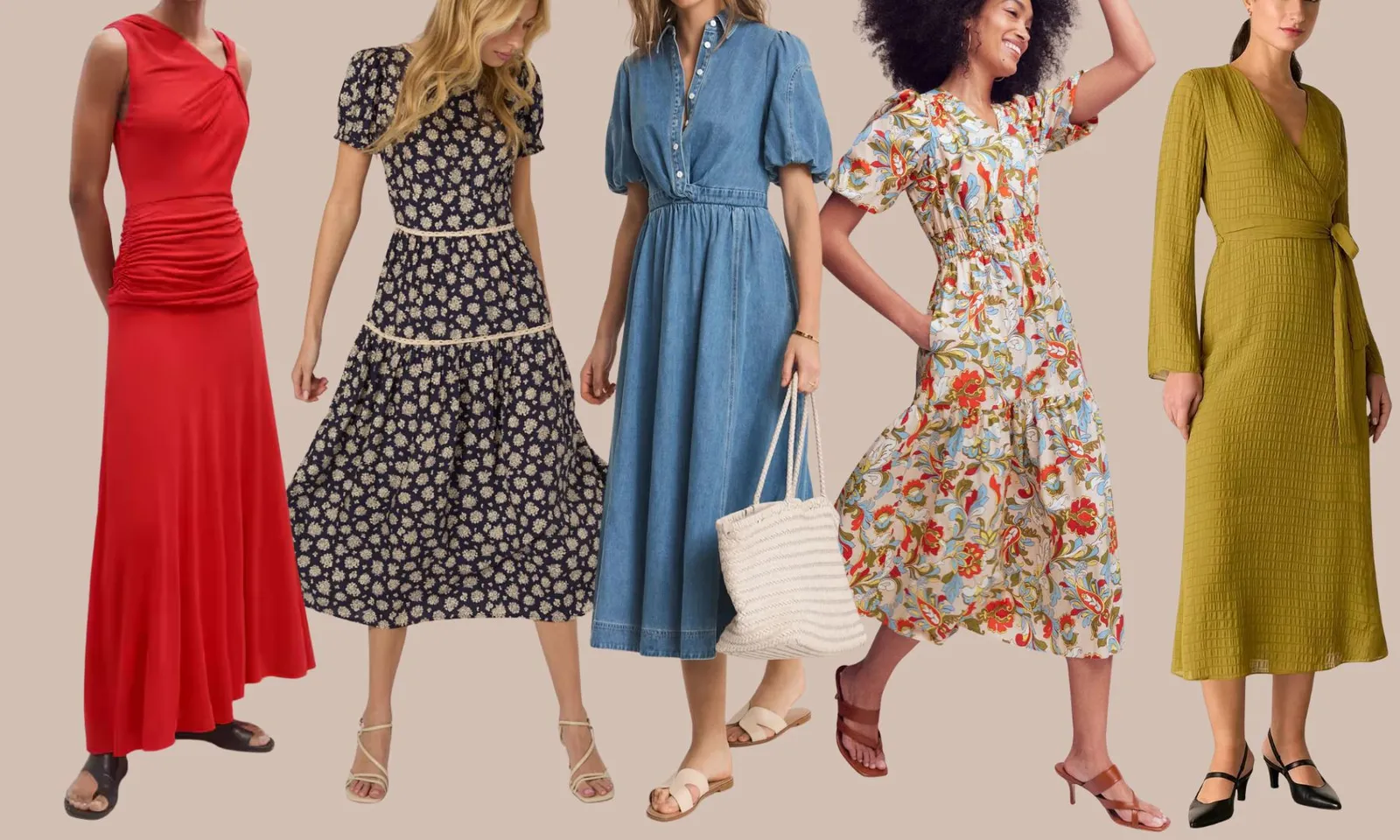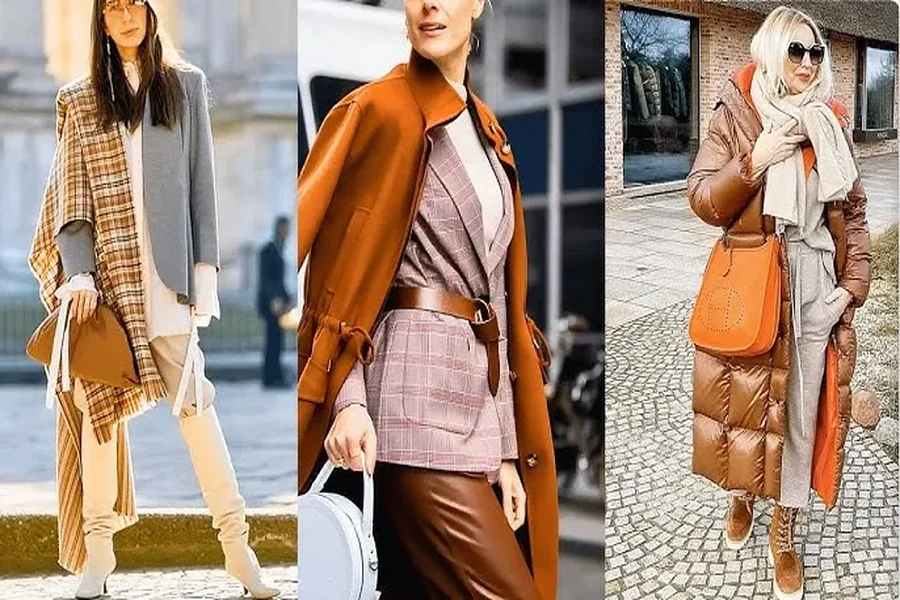
Street style is the one area of fashion that runs in the opposite direction to the rest of it. Rather than designers dictating and the public following, the looks emerge from specific places and subcultures and are then absorbed by the industry, usually several years late.
That origin matters for wearing it well. Street style has always been about how clothes are worn rather than which labels they carry, which is why the expensive version often reads less convincingly than the original.
Where It Actually Comes From
Street style is not one aesthetic. It is a collection of regional and subcultural traditions, several of which are British in origin.
- Workwear. Denim, chore jackets, boots, canvas. Built for durability and adopted for the way it looks and lasts.
- Sportswear. Trainers, track tops and hooded sweatshirts moving from the pitch and the terraces into everyday dress. The British terrace culture of the late twentieth century was central to this.
- Music subcultures. Mod, punk, rave, grime and their descendants each produced a distinct look, and most emerged from specific cities rather than from magazines.
- Skate and surf. Loose fits, durable fabrics, function determining shape.
- Tailoring reappropriated. Suits worn deliberately wrong, or mixed with sportswear.
Understanding which tradition a garment comes from tends to produce better outfits than copying a photograph. A chore jacket reads differently worn with work boots than with formal shoes, and both can be right.
The Principles Underneath
Across those traditions, a few consistent ideas explain why street style looks the way it does.
| Principle | In practice |
|---|---|
| Proportion play | Deliberate contrast between fitted and loose — wide trousers with a fitted top |
| Layering as visual interest | Layers chosen to be seen, not only for warmth |
| One statement element | A single strong piece with everything else quiet |
| Function used decoratively | Utility pockets, technical fabrics, workwear details worn in non-work contexts |
| Footwear as the anchor | Trainers or boots frequently the most considered item |
| Mixing registers | Formal with casual, new with worn, cheap with expensive |
Wearing It Without Costume
The commonest failure is assembling an outfit that reads as a reference rather than as clothing. Some practical correctives:
- Take one element, not the whole look. Wide trousers with your existing wardrobe reads better than a head-to-toe copy.
- Fit still applies. Oversized is a deliberate cut with intentional proportions; too big is just too big.
- Let things wear in. Much of street style depends on garments looking used. Brand-new everything reads stiff.
- Keep one anchor of restraint. If the silhouette is unusual, keep the colours simple.
- Buy for your actual life. Clothing that only works in photographs will not get worn.
- Ignore logos as a shortcut. Visible branding is the least interesting route and dates fastest.
Trends Come and Go; Some Things Persist
A handful of items have moved between street style and mainstream repeatedly and remain wearable regardless of cycle: plain white trainers, a denim or chore jacket, a hooded sweatshirt in a plain colour, straight-leg jeans, a bomber or harrington jacket, and a plain crew-neck sweatshirt.
Those form a base that absorbs whatever is current without requiring replacement. Trend items are cheapest to engage with as one or two additions on top of that, ideally second-hand given how quickly they turn over.
Regional Scenes and Urban Culture
British street style has always been strongly regional, with distinct scenes emerging from particular cities rather than from a national trend. Local cultural and music coverage often tracks this better than fashion media does.
In the North West, Manchester Chronicle reports from a city with a substantial music and club culture history that shaped British street dress, alongside the Liverpool Tribune, covering a city closely associated with the origins of terrace and trainer culture.
Yorkshire scenes are covered by Leeds Angle, Sheffield Voice, reporting from a city with a notable electronic music history, and Bradford Daily.
Scottish urban culture appears in Glasgow Bulletin, covering a strong independent music scene, and Edinburgh Scope, with the Belfast Record for Northern Ireland. Midlands scenes are followed by Birmingham Focus, reporting from a city central to several British music movements, plus Coventry Insight, associated with two-tone and ska, Leicester Echo, Derby Digest and Nottingham Times.
The Newcastle Brief and Hull Report cover North East and Humber culture. In the south, Brighton Update reports from a city with deep mod and subcultural associations, alongside Southampton Ledger, Plymouth Wire and Bristol Outlook, the last covering a city central to British sound system and graffiti culture. London scenes are covered by London Signals and Capital Outlook, with retail trade reporting in Trade Mirror and cost-of-living coverage via DWP UK Latest News.
Frequently Asked Questions
Do I need expensive brands?
No, and the reverse is often true. Street style originated with affordable and second-hand clothing, and the most convincing versions still tend to rely on how things are combined rather than on labels.
Is street style age-appropriate?
The underlying elements — denim, workwear, plain trainers, good outerwear — work at any age. Very trend-specific silhouettes suit whoever wants to wear them; the constraint is comfort rather than age.
How do I avoid looking like I am trying too hard?
Adopt one element rather than a whole look, keep the rest of the outfit simple, and buy things you will wear on ordinary days.
Where do I find it second-hand?
Charity shops, vintage districts, markets and online resale. Workwear and denim in particular hold up well and are often better second-hand than new.
Further Reading
Culture, music and retail reporting appears across News Notes, Local News Point, Weekly Journal and Trends Archive. Brands and venues seeking coverage use agencies listed via Local PR Services, PR Directory and Press Hubs.
The Bottom Line
Street style is about combination rather than acquisition, and it came from affordable clothing worn well rather than from labels.
Take one element at a time, keep a base of plain trainers, denim, a good jacket and a plain sweatshirt, and buy trend pieces second-hand because they turn over fast. Then let things wear in — most of this only looks right once it stops looking new.
This article offers general styling guidance for a UK readership. Retail availability, pricing and stockists change frequently, and no specific product endorsement is intended. Style is personal, and suggestions here are starting points rather than rules. Garment care advice is general; always follow the care label on the item itself.