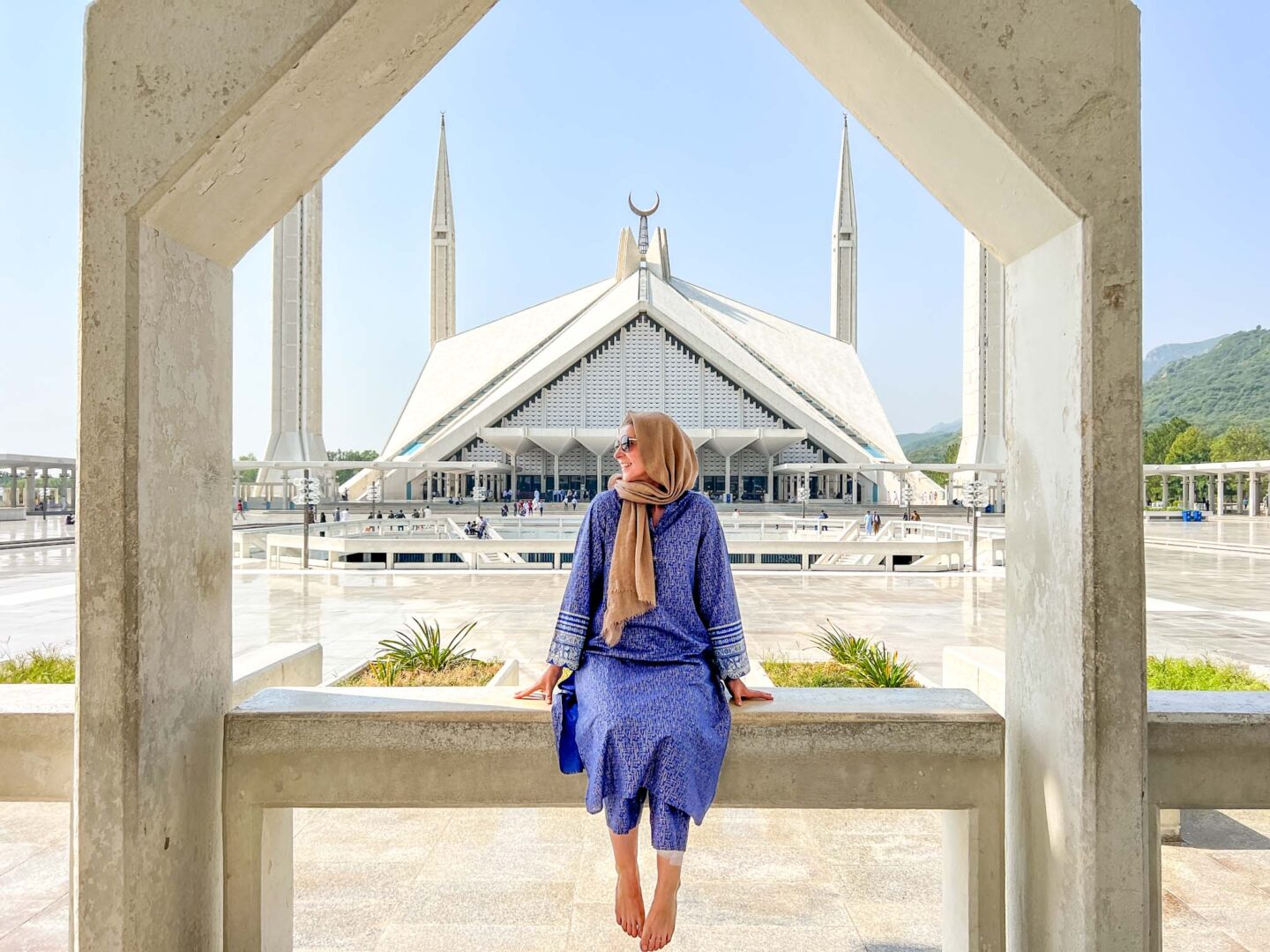
Pakistani Asian clothes offer a beautiful combination of traditional craftsmanship, elegant designs, and cultural heritage. Although these outfits are deeply connected to South Asian traditions, fashion has become increasingly global, allowing people from different backgrounds to appreciate and wear traditional clothing. Non-Asian guests attending weddings, cultural celebrations, family gatherings, or festive occasions may also find Pakistani outfits suitable for such events. From embroidered shalwar kameez to graceful Anarkali dresses, these styles provide a wide range of choices. Understanding the different designs, cultural significance, and appropriate styling options can help non-Asian guests feel comfortable and confident in traditional Pakistani fashion.
Why Are Pakistani Asian Clothes Popular Among Different Cultures?
Pakistani fashion has gained international attention because of its detailed embroidery, attractive fabrics, traditional silhouettes, and versatile designs. Pakistani Asian clothes are no longer limited to people with South Asian backgrounds. Fashion enthusiasts from different cultures appreciate these outfits for their elegance and distinctive appearance. Several features make Pakistani clothing appealing across cultural boundaries:
- Unique embroidery: Traditional threadwork, zari, sequins, and decorative patterns create beautiful details.
- Comfortable fabrics: Cotton, lawn, chiffon, silk, and linen provide options for different seasons.
- Versatile designs: Simple everyday outfits and heavily decorated formal dresses suit various occasions.
- Modest styling: Many Pakistani outfits offer elegant coverage without compromising on style.
- Cultural craftsmanship: Traditional techniques give each outfit a distinctive character.
These qualities make Pakistani fashion an interesting option for guests looking for something different from conventional Western clothing.
Can Non-Asian Guests Wear Pakistani Outfits to Weddings?
Yes, non-Asian guests can wear Pakistani outfits to weddings, provided the clothing suits the event’s dress code and cultural setting. Pakistani weddings often feature colourful celebrations, traditional ceremonies, and elaborate formal clothing. A beautifully designed Pakistani dress can be an appropriate choice for guests who want to participate in the celebration while respecting its traditions.
Popular wedding outfit choices include:
- Anarkali suits: Long, flowing dresses with fitted bodices and decorative embroidery are suitable for formal celebrations.
- Embroidered shalwar kameez: A traditional combination offering elegance and comfort.
- Sharara suits: Wide-legged trousers paired with decorated shirts create a festive appearance.
- Lehenga suits: A popular choice for wedding receptions and other formal occasions.
- Chiffon party dresses: Lightweight fabrics with delicate embellishments offer a graceful look.
Guests should consider the wedding invitation, dress code, and preferences of the hosts before selecting an outfit. For example, a heavily embroidered dress may suit a wedding reception, while a lighter design may be more appropriate for a daytime ceremony.
Which Pakistani Asian Clothes Are Best for First-Time Wearers?
First-time wearers may prefer simple and comfortable designs before exploring more elaborate traditional styles. Pakistani clothing includes several options that are easy to understand and style, even without previous experience wearing South Asian fashion.
Some suitable options include:
- Straight-cut suits: Simple, elegant, and easy to pair with trousers or leggings.
- Long kurtas: A versatile option that works well with fitted trousers.
- A-line dresses: Comfortable silhouettes with a graceful appearance.
- Palazzo suits: Loose-fitting trousers provide additional comfort and movement.
- Lightly embroidered outfits: Subtle decoration creates a traditional look without appearing overly formal.
Neutral colours such as beige, ivory, navy, pastel pink, and sage green are useful starting points. These shades are easy to accessorise and work well for different types of gatherings.
Understanding Cultural Respect When Wearing Pakistani Clothing
Wearing traditional clothing from another culture can be a positive way to appreciate its fashion and craftsmanship. However, cultural awareness is important, especially when attending religious ceremonies, weddings, or traditional family events.
A few simple considerations can help maintain a respectful approach:
- Understand the occasion: Different events may have different clothing expectations.
- Respect religious settings: Modest outfits are generally appropriate for visits to mosques and religious ceremonies.
- Avoid costume-like styling: Traditional clothing should be worn naturally rather than treated as a costume.
- Appreciate traditional details: Understanding the significance of embroidery, fabrics, and designs adds meaning to the outfit.
- Follow event guidance: Specific dress recommendations from hosts should take priority.
Pakistani clothing represents a rich cultural heritage. Wearing these outfits with genuine appreciation and an understanding of the occasion can create a positive experience for guests from different backgrounds.
How to Style Pakistani Asian Clothes Without Overcomplicating the Look
Traditional Pakistani outfits often feature detailed embroidery, decorative necklines, and attractive fabric combinations. A balanced styling approach helps maintain the beauty of the outfit without adding unnecessary accessories.
Here are five practical styling suggestions:
- Choose suitable footwear: Khussas, embellished sandals, or simple heels complement traditional Pakistani dresses.
- Select minimal jewellery: Earrings, bangles, or a delicate necklace can complete the outfit.
- Use a matching dupatta: A coordinated dupatta adds a traditional finishing touch.
- Choose comfortable hairstyles: Simple buns, loose waves, and neatly styled hair work well with traditional clothing.
- Keep makeup balanced: Natural makeup suits daytime events, while more defined looks complement evening celebrations.
The overall styling should match the outfit’s embroidery, colour, and level of formality. A heavily decorated dress generally needs fewer accessories, while a simple outfit can accommodate more noticeable jewellery.
What Should Non-Asian Guests Consider Before Buying Pakistani Clothes?
Buying traditional clothing from an unfamiliar fashion category can involve several considerations. Fabric, measurements, outfit structure, and occasion requirements all influence the final choice. Careful selection helps prevent sizing issues and ensures that the outfit feels comfortable throughout an event.
Important factors include:
- Size measurements: Check chest, waist, hip, shoulder, and outfit length measurements instead of relying only on standard size labels.
- Fabric selection: Lawn and cotton are suitable for warmer weather, while velvet, silk, and heavier fabrics are popular for formal occasions.
- Outfit length: Check whether the shirt or dress length matches personal styling preferences.
- Dupatta availability: Confirm whether the outfit includes a dupatta or requires a separate purchase.
- Care instructions: Embroidered and delicate fabrics may require special washing or dry cleaning.
- Return policies: Review exchange and return conditions before ordering online.
These details are particularly important when purchasing Pakistani Asian clothes from an international retailer, where returning an unsuitable outfit may take additional time.
Are Pakistani Traditional Dresses Suitable for Western Events?
Pakistani traditional clothing can also work well for several Western occasions. The versatility of these outfits allows different designs to fit celebrations beyond South Asian weddings. A simple embroidered kurta, for example, can be styled for a birthday dinner, while a formal Anarkali dress may suit an evening reception.
Suitable occasions include:
- Birthday celebrations and family dinners.
- Cultural festivals and international events.
- Engagement parties and wedding receptions.
- Formal gatherings and dinner parties.
- University cultural celebrations.
- Special occasions such as Eid invitations and community events.
The most important consideration is the event’s dress code. A lightweight outfit with subtle embroidery is generally more suitable for casual gatherings, while heavily decorated dresses work better for formal celebrations.
Pakistani Clothing Trends That Appeal to International Fashion Lovers
International fashion audiences increasingly appreciate clothing that combines traditional details with contemporary styling. Pakistani designers and clothing retailers offer collections that bring classic silhouettes together with modern cuts, colours, and decorative elements.
Some popular trends include:
- Minimalist embroidery: Small decorative details create an elegant appearance.
- Pastel colour palettes: Mint, lavender, peach, and powder blue remain popular choices for daytime events.
- Contemporary shalwar kameez: Updated cuts provide a modern interpretation of traditional clothing.
- Statement sleeves: Bell sleeves, puff sleeves, and embellished cuffs add character.
- Traditional prints: Floral patterns, geometric designs, and heritage-inspired prints offer distinctive styling options.
These trends make Pakistani fashion accessible to people who appreciate traditional clothing but prefer contemporary designs.
Why Filhaal UK Is a Useful Destination for Pakistani Asian Clothes
Filhaal UK provides an option for exploring Pakistani Asian clothes in the United Kingdom, particularly for shoppers interested in traditional South Asian fashion. Access to Pakistani clothing collections makes it easier to discover different outfit styles, including dresses suitable for family gatherings, cultural celebrations, and formal occasions. A well-organised collection can help shoppers compare colours, fabrics, designs, and outfit styles before making a purchase. For non-Asian guests interested in experiencing Pakistani fashion, Filhaal UK offers an opportunity to explore traditional clothing and discover styles that combine cultural craftsmanship with contemporary fashion preferences.