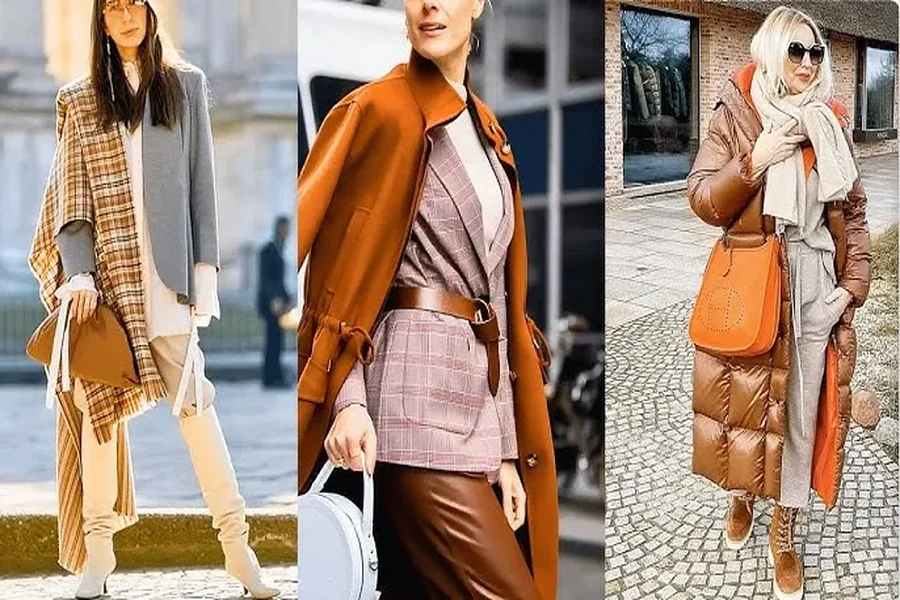
Bad layering adds clutter fast. Good layering makes you look pulled together before you even reach for jewelry.
That difference is why best fashion layers for a polished look matters more than most people admit. A polished outfit is not about owning expensive clothes. It is about knowing what belongs underneath, what frames the body, and what should stay out of the outfit entirely. I learned that after ruining too many decent looks with one extra cardigan, one heavy scarf, or a jacket that fought every line underneath it.
You do not need a bigger closet. You need better order.
Fashion editors still point to the crisp button-up as one of the strongest layering pieces in a modern wardrobe, and recent style coverage keeps returning to lightweight layering for workwear because it adds depth without losing structure. That tracks with real life. The outfits that look sharp rarely feel loud. They feel settled.
If you want a wardrobe that looks smarter with less effort, layering is where the fix starts. Not trendy. Not fussy. Just right.
Start with a close-to-the-body first layer
A polished outfit usually succeeds or fails before the jacket enters the room. The first layer sets the whole mood. If that base bunches, clings in the wrong places, or cuts your shape in half, nothing on top will save it.
Slim knits, fitted tees, neat tanks, and clean button-downs do the heavy lifting here. They give structure to the rest of the outfit without asking for attention. I reach for a fine ribbed knit when I want an easy win because it sits flat, holds shape, and does not argue with a blazer or coat.
Fabric matters more than people think. A soft cotton tee can work, but only if it keeps its line. A limp neckline ruins the point. A thin merino knit, crisp poplin shirt, or well-cut sleeveless shell looks more grown up because it stays where it belongs.
The trick is not “wear something basic.” The trick is wear something stable.
This is where many women miss the mark. They start with an oversized top, then add an oversized layer, then wonder why the outfit feels heavy. Start narrow, then build out. Your base should anchor the look, not compete with it.
For everyday dressing, a white button-down under a fitted knit vest or a black mock-neck under a tailored jacket still looks current because the proportions behave. Vogue’s 2026 wardrobe guide again highlights the button-up as a go-to layering piece for exactly that reason.
Use contrast in shape, not chaos in volume
Once the base is right, the second layer should create shape. That does not mean piling things on. It means making one smart contrast that the eye can understand in a second.
A fitted knit under a relaxed blazer works. A fluid blouse under a sharp vest works. A trim turtleneck under a slightly boxy coat works. The point is tension with control. Too much looseness everywhere makes you look swallowed. Too much tightness everywhere makes the outfit feel tense.
I have seen this play out a hundred times in fitting rooms. The woman thinks she needs a new coat. What she really needs is a slimmer inner layer so the coat can hang properly. Clothes do not just sit on fabric. They sit on the shape you build underneath.
That is why best fashion layers for a polished look is not really about quantity. It is about editing volume. One soft piece, one sharp piece, one grounded piece. Done.
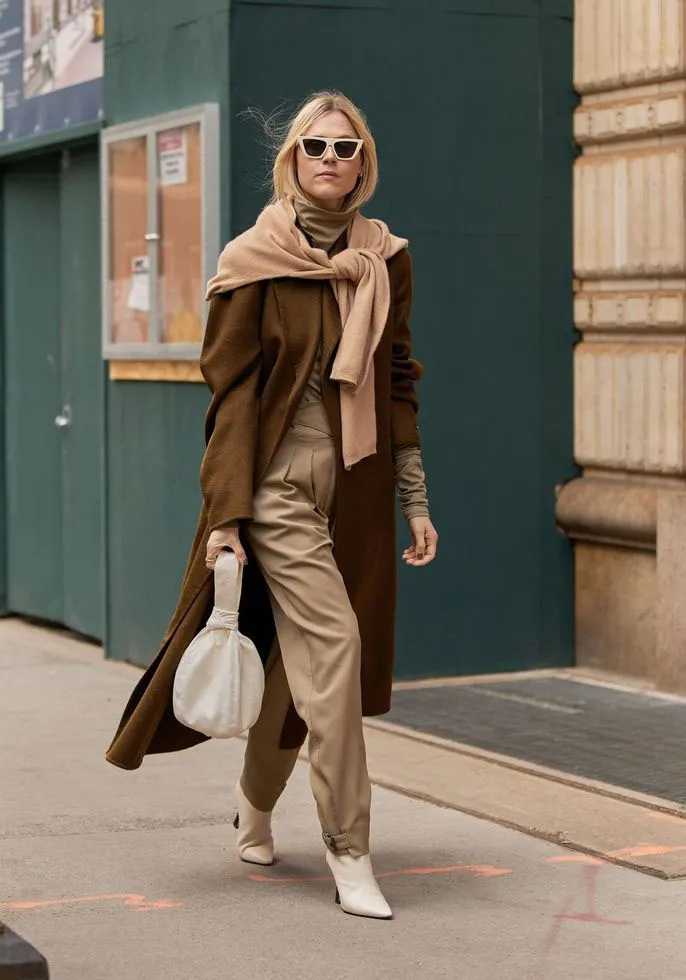
A good example is a column of color under a camel blazer: black tank, black trousers, tan jacket. Clean. Another strong move is a midi dress with a cropped jacket that ends at the waist instead of the thigh. That small shift keeps your frame visible, which is why the outfit reads deliberate instead of bulky.
This is also where capsule wardrobe styling ideas and smart outfit formulas for workdays help. The more repeatable your proportions are, the less mental energy dressing takes.
Let fabric do the expensive-looking work
Most people blame the wrong thing when an outfit feels flat. They blame color. They blame trends. Sometimes they even blame their body. The real issue is often fabric.
Texture creates depth faster than extra accessories ever will. A polished layered look feels rich because the fabrics speak to each other. Think cotton poplin against fine wool. Think suede against denim. Think silk under structured tailoring. You do not need loud contrast. You need interesting surfaces.
This is why a cream knit under a wool blazer often looks better than a printed blouse under the same blazer. The outfit has quiet variation. Your eye picks up the difference even when the colors stay calm.
Fashion coverage this year has kept circling back to layering as an expressive styling move, not just a practical one, and the best examples rely on texture and fabric movement as much as color. That part matters in real wardrobes too. A flimsy cardigan can make a fine outfit look tired. A dense knit or clean wool layer adds instant authority.
I am opinionated about this: cheap-looking fabric cannot be hidden by clever styling. You can save money on many things. Do not save it on the pieces that sit closest to your face or carry the whole outfit line.
If your closet feels off, upgrade touch before trend. That is where polish lives. For more on choosing fewer, better pieces, even broader wardrobe advice keeps returning to quality and restraint over random excess.
Build one clear line from shoulder to shoe
A polished outfit always has a visual line. You can follow it without effort. Your eye lands at the shoulder, moves through the body, and finishes at the shoe without getting stuck on something awkward in the middle.
That line breaks when layers end in the wrong places. A tunic under a hip-length cardigan under a mid-thigh coat can chop you into sections. A cropped jacket over a high-rise trouser usually does the opposite. It lengthens the leg line and gives the outfit a cleaner finish.
Hem placement is not a boring detail. It is the whole trick.
When I want an outfit to look sharper in five seconds, I check three things: where the top ends, where the jacket ends, and what the shoe is doing. If at least two of those three feel intentional, the whole look improves. A pointed flat, slim boot, or sleek loafer often rescues a layered outfit because it closes the line with purpose.
This matters even more in everyday wear. Office trend reporting for 2026 has leaned into lightweight layers and fabrics that recover well because structure still reads strong, even when the styling feels soft. That is exactly why a tucked knit with straight trousers and a longer blazer feels better than a random stack of soft pieces.
If your outfit keeps feeling messy, stop adding. Look at the line. It nearly always tells the truth.
Keep the final layer calm and let restraint win
The outer layer should finish the outfit, not hijack it. This is where polished dressing separates itself from anxious dressing. An anxious outfit keeps adding. A polished one knows when to stop.
Your final layer needs one job. Maybe it sharpens the silhouette with a blazer. Maybe it softens the look with a long coat. Maybe it gives edge with a leather jacket. It does not need to do all three.
I think this is why so many women love the idea of layering but end up disappointed by the result. They treat every piece like a main character. That never ends well. One lead. A few strong supporting roles. That is the formula.
A simple example works almost every time: fitted knit, wide-leg trouser, belt, long wool coat. Another: sleeveless dress, thin turtleneck underneath, tall boots, clean earrings. Both look thoughtful because nothing screams for attention. Recent style coverage keeps reinforcing that layering works best when it adds depth without sacrificing structure.
That same discipline is what makes best style ideas for modern women fashion worth paying attention to when they focus on wearability rather than costume. The best looks do not beg to be noticed. They earn a second glance.
Restraint is not boring. It is power with manners.
Conclusion
The women who always look polished are rarely the ones wearing the most. They are the ones making cleaner choices. They know where the first layer should sit, which fabric adds depth, and when the outer layer needs to stop talking.
That is the real value of best fashion layers for a polished look. It gives you a system, not a pile of ideas. Once you understand shape, texture, line, and restraint, your closet starts working harder without getting bigger. You buy fewer panic pieces. You get dressed faster. You trust your eye more.
I also think this matters beyond style. When your outfit feels settled, you move differently. You stop tugging at hems. You stop wondering if the proportions are off. You stop dressing like you need to hide. That shift changes more than the mirror.
So start small this week. Build one outfit with a neat base, one shaping layer, and one calm finish. Wear it, study it, and tweak only one thing at a time. Then do it again. That is how taste gets sharper.
Next step: audit your closet tonight and pull five layering pieces you actually trust. The polished wardrobe you want is probably already half there.
How do you layer clothes without looking bulky?
You avoid bulk by starting with a trim base and adding only one fuller piece at a time. The moment every layer has volume, your shape disappears and the outfit loses control.
What are the best fashion layers for work outfits?
The strongest work layers are thin knits, crisp button-downs, tailored blazers, long vests, and smooth wool coats. They add structure, keep movement easy, and look smart without trying too hard.
How can women layer outfits and still look polished?
You need clear proportions, steady fabrics, and one visible shape through the outfit. When the eye can follow your line easily, the whole look feels intentional instead of piled on.
Which fabrics make layered outfits look more expensive?
Fine wool, cotton poplin, silk blends, suede, sturdy denim, and dense knits usually read better than flimsy synthetics. Texture with control gives an outfit depth, which is what people read as expensive.
What is the smartest way to layer for warm and cool weather?
Use breathable first layers and lighter top layers you can remove without wrecking the outfit. A neat tank, open shirt, and relaxed blazer works far better than one heavy piece.
Can you wear oversized pieces and still create a polished layered look?
Yes, but only when something else stays sharp. An oversized blazer needs a cleaner inner layer. Wide trousers need a more defined top. Balance keeps the outfit stylish instead of sloppy.
How many layers should an outfit have to look put together?
Most polished outfits only need two or three visible layers. More than that can work, but only if each piece has a clear role and does not fight for space.
Are long coats or cropped jackets better for layered outfits?
Both can work. Long coats look elegant over slim or straight silhouettes, while cropped jackets help define the waist and lengthen the legs. The better choice depends on where your outfit needs shape.
What shoes work best with layered fashion looks?
Shoes that finish the line cleanly work best, so think loafers, pointed flats, tall boots, sleek sneakers, or narrow ankle boots. Clunky shoes can drag down an otherwise tidy outfit.
How do you layer dresses in a polished way?
Start by deciding whether the dress is the base or the feature. Add a thin knit underneath, a belt over the waist, or a cropped jacket on top, but do not do all three at once.
Why do some layered outfits look messy even with good clothes?
The problem is usually poor order, not bad pieces. Wrong hem lengths, limp fabrics, and too many loose shapes can ruin strong items fast. Good clothes still need direction.
What should you buy first if your wardrobe needs better layering pieces?
Start with a fitted knit, a crisp white or blue shirt, a tailored blazer, a long coat, and one pair of clean straight or wide-leg trousers. That small set covers a surprising number of outfits.
For the external reference woven into the topic, Vogue’s layering and wardrobe coverage is a useful style benchmark.