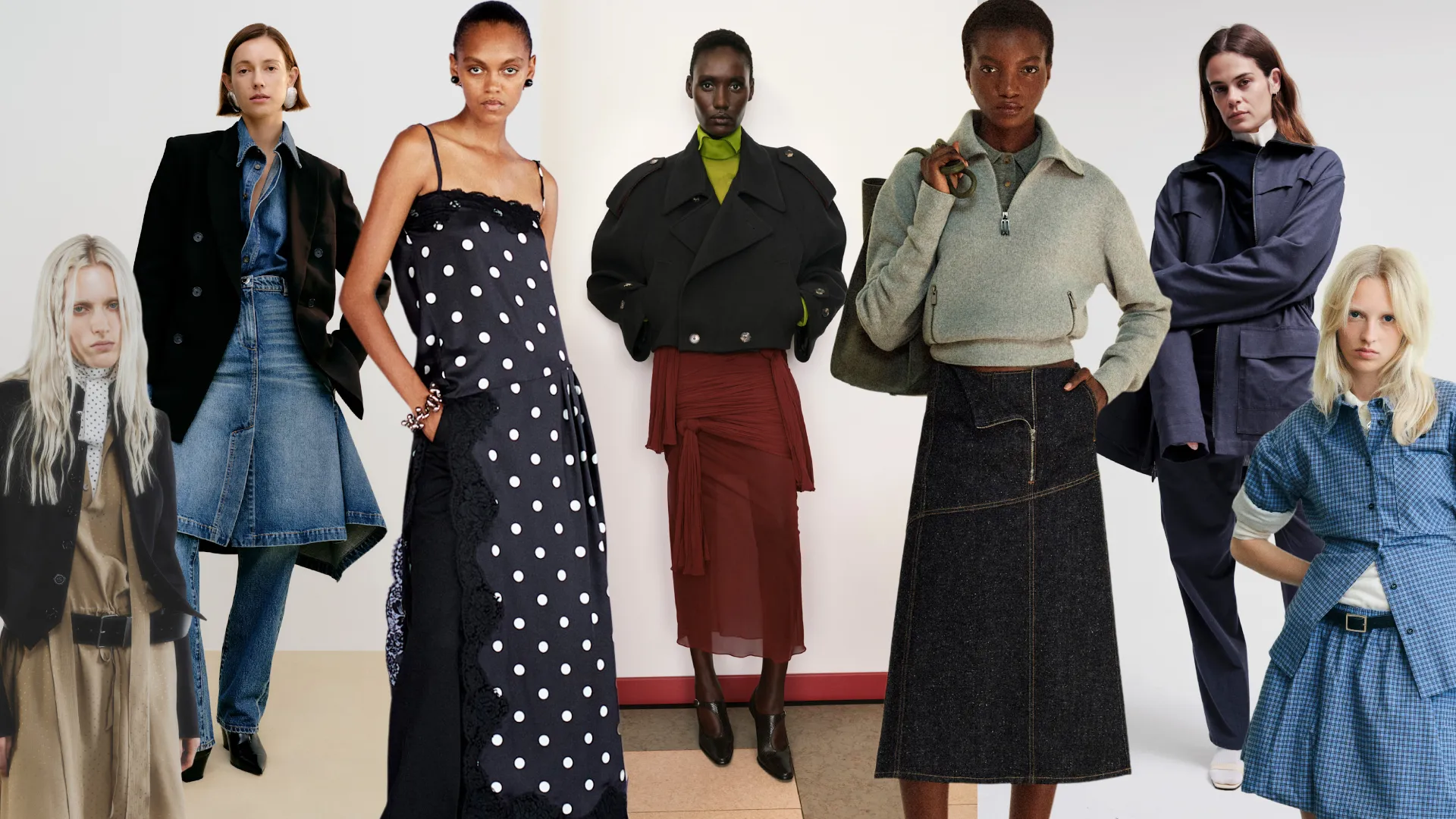
Bad layering does not make you look fashionable. It makes you look trapped under your own wardrobe. The ultimate layering guide for stylish women fashion starts with one hard truth: piling on more pieces does not create style, but better order does. Once you understand how shape, fabric, and proportion work together, getting dressed stops feeling random.
I learned this after too many mornings spent changing three times because something looked off, even though every piece was nice on its own. That is the trick nobody says out loud. Great style rarely depends on buying more. It depends on seeing your clothes as a stack of roles instead of a pile of items.
A thin base holds the look together. A middle layer gives it body. An outer layer frames the whole outfit and tells people whether you meant business, ease, edge, or polish. That structure changes everything. It saves time, calms decision fatigue, and makes even old basics feel sharper. If you want inspiration from a major fashion source, the layering ideas inside <a href=”https://www.vogue.com/fashion” target=”_blank” rel=”noopener noreferrer”>women fashion</a> editorials can be useful, but your real win comes from making the method work for real life, not just perfect photos.
Start With Shape Before You Start With Clothes
Most outfits fail before the jacket even goes on. They fail at the level of shape. If the base feels bulky, too long, or oddly stiff, every layer after that has to fight for its life. You cannot fix bad structure with a prettier coat.
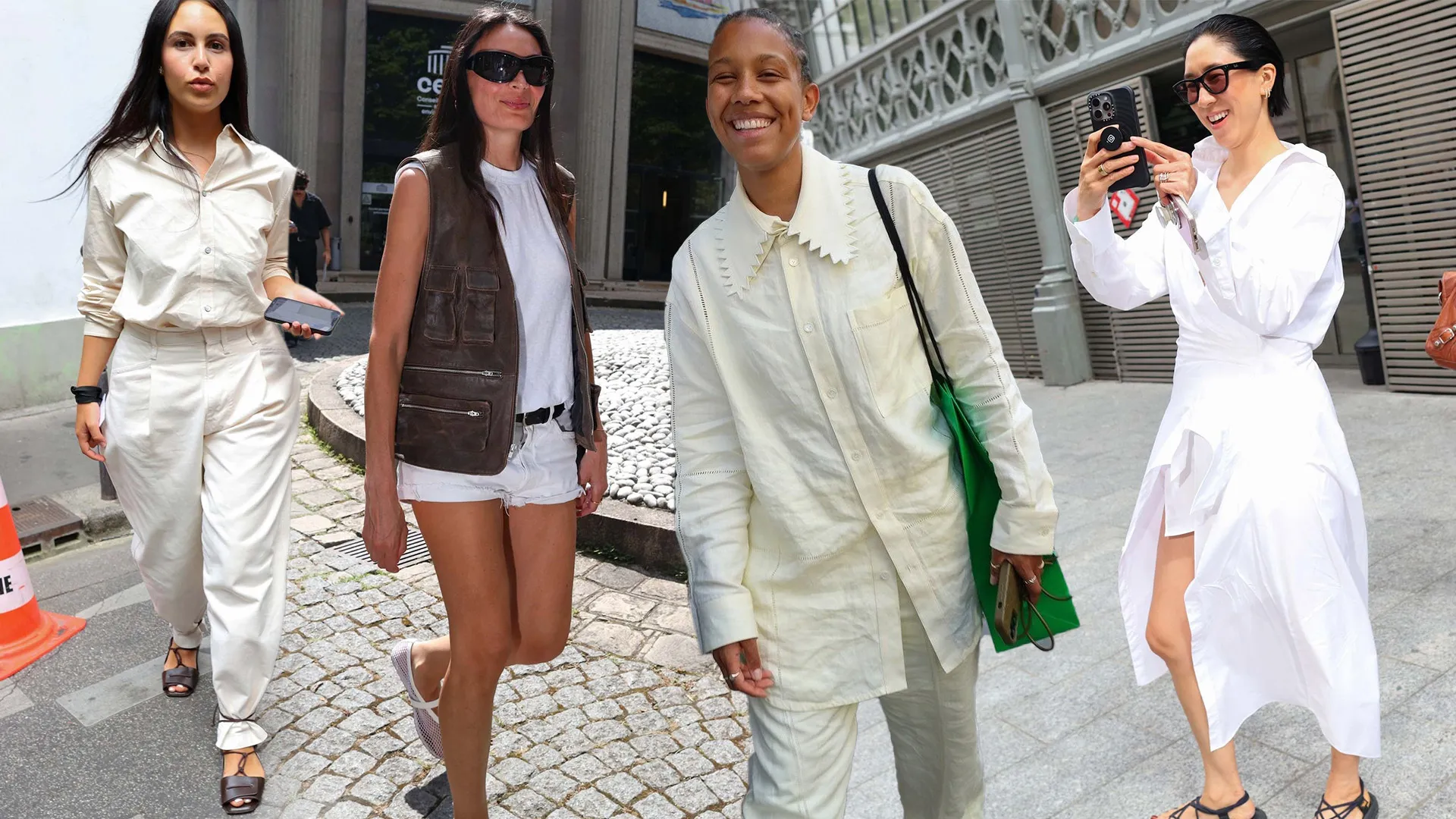
The smartest way to dress starts close to the body. That does not mean tight. It means clean. A fitted tee, fine knit, ribbed tank, or neat button-down gives the rest of the outfit something to build on. You want a line, not a lump.
I once watched a friend throw a chunky cardigan over a loose blouse and then add a cropped jacket on top. Three expensive pieces. One confused silhouette. The problem was not taste. The problem was that every layer wanted to be the star, so none of them made sense together.
Pick one shape driver per outfit. Maybe it is a long blazer. Maybe it is a tucked knit with wide-leg trousers. Maybe it is an oversized shirt under a trim coat. One leader is enough. The rest should support it.
That is why stylish layering often looks simple from a distance. The eye reads balance first. Details come second. When you get the outline right, you suddenly look put together without looking like you tried too hard. That sweet spot matters.
Choose Fabrics That Cooperate Instead of Compete
Fabric decides whether layering looks rich or ridiculous. People obsess over color and forget texture, then wonder why the outfit feels awkward. Two pieces can match perfectly in tone and still argue with each other because the weight is wrong.
Thin under thick usually works. Crisp under soft also works. Slippery under structured can be beautiful when the proportions behave. Trouble starts when every fabric has bulk, shine, or stiffness. Then the outfit feels noisy before anyone notices the cut.
A cotton shirt under a wool vest makes sense because each one brings a different job to the outfit. The shirt gives clarity. The wool adds warmth and depth. Put a padded vest over a heavy sweatshirt, though, and suddenly your upper half looks like it needs its own zip code.
Texture also changes how expensive an outfit feels. Matte fabrics tend to calm a look down. A touch of leather, satin, or brushed wool adds interest without forcing it. That contrast is where style lives. Not in chaos.
Cold weather is where this lesson gets tested. You want warmth, but you do not want the Michelin effect. That is why thin merino knits, light turtlenecks, and unlined coats earn their place. They let you stack without losing your shape.
Clothes should cooperate. If they keep shouting over each other, one of them has to go.
Use One Statement Layer and Let It Do the Talking
A layered outfit gets memorable when one piece carries the attitude. Not five pieces. One. This is where many wardrobes go off the rails because people mistake “interesting” for “everything at once.” That never ages well.
A strong trench can do the whole job. So can a longline vest, a sharp leather jacket, or even an oversized striped shirt worn open over a tank. The point is not drama for drama’s sake. The point is focus.
Years ago, I kept buying bold tops because they looked fun on hangers. On my body, under another layer, they mostly created clutter. The outfits improved the second I shifted that energy into one strong outer piece and calmed the rest down. Suddenly the look had a center.
This is where the secondary idea matters too: best style ideas for modern women fashion usually work because they understand restraint. Modern dressing looks fresh when one item pushes the mood forward and the others hold the line. You do not need a slogan tee, huge earrings, printed trousers, and a bright blazer in the same breath.
Try this formula when you feel stuck:
- simple base layer
- one textured or structured topper
- grounded shoes
- one visible accessory with purpose
That is enough to feel styled. Enough is underrated. It is also chic.
Get the Lengths Right or the Whole Outfit Falls Apart
Length is the quiet rule that separates polished layering from accidental layering. You may not notice it right away, but your eye always does. When hems fight each other, the outfit looks messy even when the colors are beautiful.
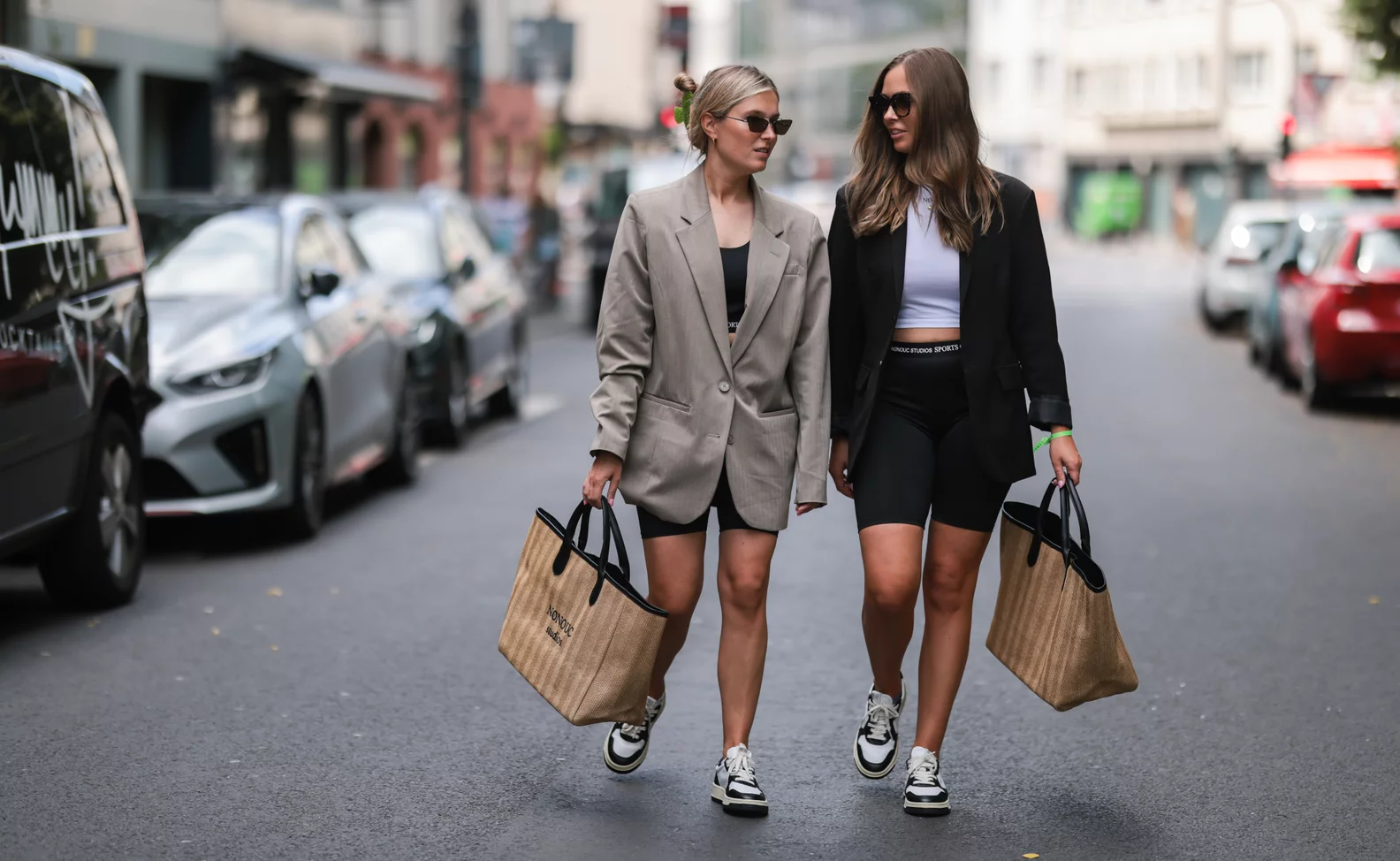
A shorter jacket over a longer shirt can look brilliant if the difference feels intentional. A blazer just grazing the hip over a tunic that drops too far can look tired fast. The same goes for knits under coats. You want a relationship between lengths, not a traffic jam.
Think in tiers. Base layer. Mid layer. Outer frame. Each one should either clearly peek out or disappear on purpose. That is why a white tee under a cardigan works so well when just a touch of collar and hem shows. It signals control.
The most flattering combinations often come from contrast. Cropped jacket with full trousers. Long coat with slim knit dress. Waist-length sweater over a long poplin shirt. These pairings create movement and help your body read as intentional, not swallowed.
I see this mistake all the time with office outfits. Someone wears a blazer over a blouse that bunches at the hem, then adds mid-rise trousers that cut the line in the wrong spot. It is not a bad wardrobe. It is a bad edit.
Small changes fix a lot:
- tuck the inner layer
- switch to a longer coat
- shorten the cardigan
- choose higher-rise bottoms
Style often improves by subtraction, not by shopping.
Finish the Look With Real-Life Styling, Not Fantasy Styling
An outfit is not finished when the clothes are on. It is finished when the shoes, bag, weather, and day ahead all agree with the clothes. This is where layered looks either become wearable or stay trapped in inspiration boards.
You need practical tension. A soft knit with sharp boots. A neat coat with relaxed denim. A blazer with clean sneakers on a day full of walking. That contrast keeps layered outfits from looking too formal or too precious. Life is not a studio set.
Accessories should tighten the story. A belt can rescue shape when layers start drifting. A scarf can add color without demanding attention. Earrings can lift a simple outfit that has plenty of texture already. The key is intention. Random add-ons weaken everything.
This is also where ultimate layering guide for stylish women fashion becomes more than a phrase. It becomes a filter. Before leaving the house, ask three things: Can I move in this? Can I sit in this? Will I still like this outfit in six hours? If the answer is no, fix it now.
The best dressed women I know do not wear the hardest outfits. They wear the smartest ones. Their clothes work with their day, not against it. That is the real flex. Comfort with standards.
Conclusion
Layering is not about dressing for colder weather or hiding parts of your body. It is about building an outfit with intention, so every piece earns its place and the whole look feels alive. That is why the ultimate layering guide for stylish women fashion matters far beyond trends. It teaches you how to think, not just what to wear.
Once you understand shape, fabric, statement balance, length, and real-life finishing touches, your wardrobe starts giving more than it used to. Old shirts become styling tools. Basic knits feel sharper. A coat stops being an afterthought and starts acting like the frame around a painting.
The bigger shift is mental. You stop chasing outfits and start building them. That makes shopping less impulsive, mornings less annoying, and personal style much more honest. You also become harder to sell nonsense to, which is always a good side effect.
Do not wait for a season change to practice this. Open your closet, build three layered looks with what you already own, and take photos of each one. Then keep the formulas that made you stand taller. Your best style is usually hiding in plain sight.
How do stylish women layer clothes without looking bulky?
Stylish women avoid bulk by keeping the first layer neat, choosing fabrics with different weights, and letting only one piece add real volume. The trick is balance, not thickness.
What is the best base layer for women’s fashion outfits?
The best base layer is usually something slim, breathable, and easy to shape around, like a fitted tee, ribbed tank, light knit, or clean button-down. It should support the outfit, not fight it.
How can I layer clothes for winter and still look fashionable?
You can dress warmly and still look sharp by stacking thin insulating layers instead of one giant heavy piece. Fine knits, wool coats, and smart boots usually beat oversized puffiness.
What jackets work best for layered women’s outfits?
Blazers, trenches, cropped jackets, and clean wool coats tend to work best because they frame the outfit instead of swallowing it. The best choice depends on whether you want structure, movement, or edge.
How do I mix textures in layered outfits without clashing?
You mix textures well by pairing pieces that contrast in feel but not in chaos. Soft with crisp, matte with slight shine, and light with dense usually look polished when the colors stay controlled.
Can petite women wear layered outfits without looking shorter?
Petite women can wear layers beautifully when they watch length and waist placement. Cropped jackets, higher-rise bottoms, and cleaner lines help keep the body looking lifted rather than visually cut up.
What shoes look best with layered fashion looks for women?
The best shoes depend on the outfit mood, but ankle boots, loafers, clean sneakers, and sleek knee-high boots usually anchor layered looks well. Shoes should finish the silhouette, not interrupt it.
How do I make casual layers look more expensive?
Casual layers look more expensive when the fabrics feel intentional, the fit looks clean, and the color palette stays controlled. Even denim and a knit can feel elevated with the right coat and shoes.
Should every layered outfit have a statement piece?
Not every layered outfit needs one, but most benefit from a clear focal point. A strong coat, sharp blazer, or textured knit gives the eye somewhere to land and keeps the outfit from feeling flat.
What colors work best for modern layered outfits?
Modern layered outfits often look strongest in tonal palettes, earthy shades, deep neutrals, and soft contrast mixes. Color works best when it supports the shape of the outfit instead of distracting from it.
How can I layer clothes for work without breaking dress codes?
You can stay office-ready by using polished basics like blouses, fine knits, trousers, blazers, and structured coats. Keep the lines clean, avoid excess volume, and let one refined piece carry the style.
Why do some layered outfits look effortless while others look messy?
Effortless outfits usually follow quiet rules: clear shape, smart fabric pairing, controlled lengths, and a practical finish. Messy outfits often contain too many competing ideas and not enough editing.