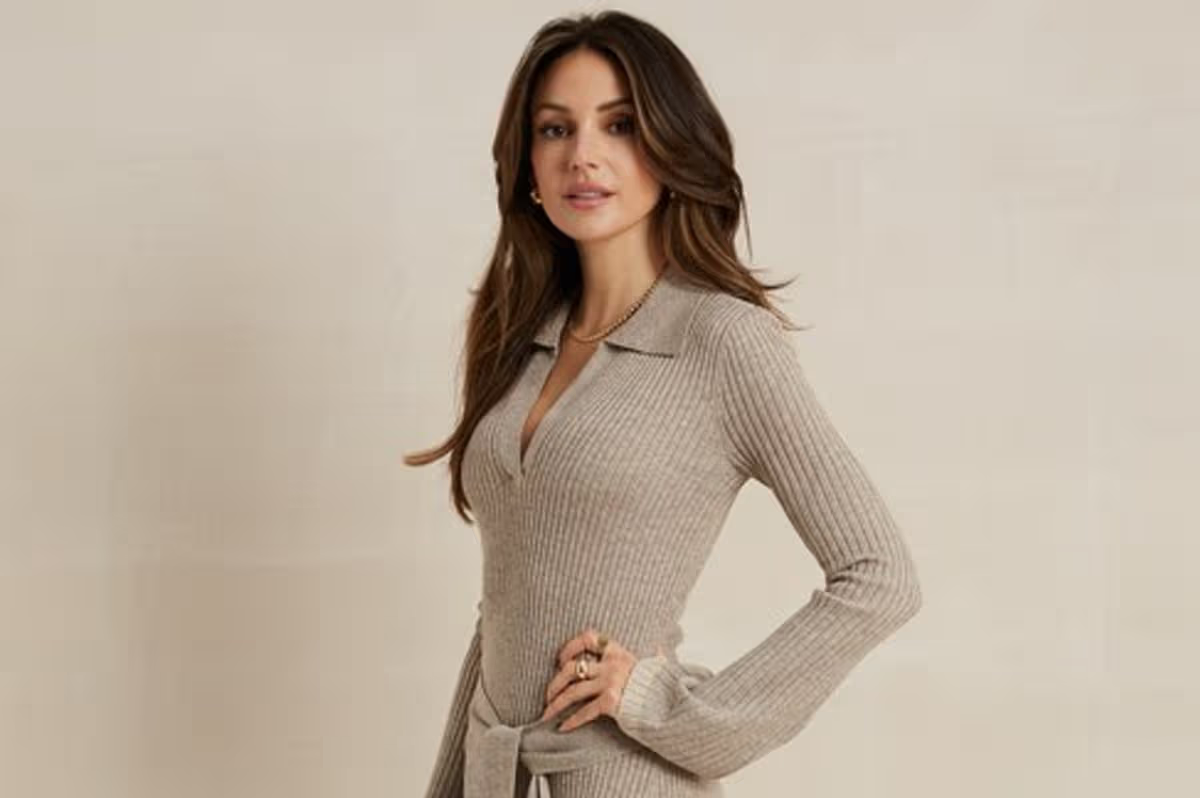
Some dresses make you adjust them all day, and that alone can ruin the whole look. The better choice is softer, smarter, and far more forgiving: ribbed knit dresses that follow your shape without turning every movement into a test. Across the USA, from New York offices to Los Angeles weekend brunches, women keep reaching for them because they solve a real style problem. They feel polished without feeling stiff. They can look casual at 10 a.m. and dinner-ready by 7 p.m. with a shoe swap and sharper jewelry. That kind of wardrobe range matters, especially when closets are packed with clothes that only work for one mood. A good ribbed dress gives you structure, warmth, and ease in the same piece. It also fits the modern fashion lane covered by style-focused platforms like American lifestyle fashion coverage, where clothes need to look current but still work in daily life. The magic is not that the fabric hides the body. It is that it works with the body.
Why ribbed knit dresses Flatter Without Feeling Overdone
A body-skimming dress can go wrong fast when the fabric is thin, shiny, or too tight in the wrong areas. Ribbing changes that equation because the texture creates movement before the body even moves. It gives the eye something to follow, which makes the shape look smoother and more intentional.
How vertical ribbing creates a cleaner body line
Vertical texture has a quiet visual trick built into it. It draws the eye up and down instead of side to side, which helps the dress feel lengthening even when the cut is simple.
This is why a midi-length style can work so well on different heights. A woman in Chicago might wear one with ankle boots and a wool coat, while someone in Austin might pair the same shape with low heels and a cropped jacket. The dress does not need loud styling because the fabric already gives it direction.
Texture also softens the usual fear of fitted clothing. Smooth jersey can show every crease, but ribbed fabric breaks up the surface. That does not mean it hides everything. It means it gives the body room to look natural instead of frozen.
Why stretch matters more than tightness
A dress can hug the body without squeezing it. That difference decides whether you look confident or uncomfortable.
The best body-hugging dresses have recovery, which means the fabric stretches and then returns to shape. Without that, the dress bags at the seat, pulls at the knees, or loses its line after a few hours. Anyone who has sat through a long work lunch knows that problem.
A good ribbed knit should feel supportive, not restrictive. You should be able to walk, sit, reach, and breathe without planning every move. The point is not to wear the smallest size possible. The point is to wear the size that lets the fabric do its job.
Choosing the Right Cut for Your Shape and Day
Fit is not only about size. It is about where the dress lands, where it opens, and where it creates pause. The same fabric can look casual, sleek, or awkward depending on those details.
What neckline works best for everyday wear?
A crew neck gives a clean, modest line that works well for errands, casual Fridays, and school pickup. It feels grounded and easy, especially with sneakers or loafers.
A V-neck changes the mood. It opens the upper body and works well with layered chains or a soft cardigan. For women with fuller busts, it can feel less compressed than a high neckline.
Square necks deserve more attention than they get. They frame the collarbone without trying too hard, and they make a fitted knit dress feel more styled before accessories enter the room. That small architectural edge can lift the whole outfit.
When midi, maxi, and mini lengths make sense
Midi length is the safest bet for most American wardrobes because it moves across settings with less effort. You can wear it to the office with a blazer, then keep the same base for dinner by changing shoes.
Maxi versions feel more relaxed and can look elegant when the knit has weight. They work best when the dress has a side slit or a clean neckline so the body does not disappear into fabric.
Mini ribbed dresses need sharper styling. A short hem with long sleeves can feel balanced, while a short hem with a low neckline may look more night-out than daytime. That is not bad. It only means the dress tells a clearer story.
Styling Knit Dress Outfits for Real American Life
A dress earns its place in your closet when it can survive a normal week. That means coffee runs, office chairs, car rides, cold grocery aisles, and maybe a dinner reservation you made without checking the weather.
How to layer without adding bulk
Layering starts with proportion. A long coat over a fitted ribbed dress usually works because the clean inner line keeps the outfit from feeling heavy.
Cropped jackets can also help, especially when the dress is midi or maxi length. A denim jacket gives weekend energy. A leather jacket sharpens the look. A short wool jacket makes it feel more city-ready without forcing formality.
The easiest mistake is adding a cardigan that matches the dress too closely in texture and weight. That can turn the outfit flat. Better knit dress outfits usually mix surfaces: ribbed knit with suede boots, a smooth coat, a structured bag, or polished metal jewelry.
Why shoes change the whole message
Sneakers make the dress feel practical and young, especially with a crossbody bag and a simple coat. This works well in places like Seattle, Denver, or Boston, where walking matters as much as style.
Boots create the strongest fall and winter version. Knee-high boots under a midi hem can look expensive even when the outfit is simple. Ankle boots work too, but the hem and boot opening need breathing room.
Heels are not required, but they do change posture. A low block heel can make a fitted knit dress look ready for dinner without making the outfit feel stiff. That is the sweet spot for many women.
Building a Wardrobe Around Texture, Color, and Confidence
The smartest ribbed dress is not always the most dramatic one. It is often the one you can wear on an ordinary Tuesday and still feel pulled together by accident.
Which colors give the most outfit range?
Black is useful, but it is not the only safe choice. Chocolate brown, charcoal, cream, olive, and deep navy often feel warmer and less expected.
For flattering winter dresses, color can matter as much as cut. A cream ribbed dress under a camel coat feels soft and expensive, while charcoal with black boots gives a sharper city look. Both feel wearable, but they send different signals.
Bright colors can work when the design stays simple. A red ribbed dress with clean sleeves and minimal detail can look confident. Add too many extras, and the dress starts arguing with itself.
How to avoid a cheap-looking ribbed dress
Fabric weight is the first sign. Thin ribbing can cling in a way that feels unforgiving, especially under indoor lighting. Heavier ribbing usually falls better and looks richer.
Seams matter too. Side seams should sit straight, shoulders should not twist, and the hem should not ripple before you even walk. Those small details tell the truth.
The counterintuitive part is that the most flattering choice may not be the tightest one. A little ease can make the body look better because the dress skims instead of grabs. Confidence often lives in that half-inch of space.
Conclusion
Great style does not need to announce itself from across the room. Sometimes it shows up in the piece you wear twice in one week because it makes getting dressed feel calm, quick, and good. That is the real power of ribbed knit dresses: they give shape without demanding discomfort, and they make simplicity look intentional. The right one can handle boots, coats, sneakers, jewelry, and bare-minimum mornings without losing its charm. Start with a color you already wear, choose a neckline that feels natural on your body, and pay attention to fabric weight before anything else. Trends will keep changing, but texture, fit, and ease never stop mattering. Build from there, and the dress will do more than sit in your closet. It will become the piece you trust when you want your outfit to feel effortless and still look considered.
Frequently Asked Questions
Are ribbed knit dresses good for different body types?
Yes, because the ribbed texture adds visual structure and helps the fabric skim instead of lying flat against the body. The best result comes from choosing the right weight, length, and neckline for your proportions rather than relying on size alone.
How do you style a ribbed knit dress for work?
Pair it with a structured blazer, closed-toe shoes, and simple jewelry. A midi length usually looks most polished for office settings. Stick with black, navy, charcoal, brown, or cream if your workplace leans more professional.
What shoes look best with a fitted knit dress?
Knee-high boots, ankle boots, loafers, sneakers, and low block heels all work. The best choice depends on the setting. Boots feel seasonal, sneakers feel casual, and heels make the outfit look more dressed without needing extra layers.
Can body-hugging dresses still look classy?
Yes, when the fabric has enough weight and the fit skims rather than squeezes. Higher necklines, longer hems, and simple styling help balance the shape. The goal is clean confidence, not a dress that looks strained or uncomfortable.
What jacket should I wear over a knit dress?
A long wool coat, cropped leather jacket, denim jacket, or tailored blazer can all work. The key is proportion. A fitted dress usually pairs well with outerwear that adds shape without hiding the entire line of the outfit.
Are flattering winter dresses warm enough for cold weather?
Many knit dresses work well in winter when layered with tights, boots, coats, and scarves. Look for heavier fabric, long sleeves, and midi or maxi lengths. Thin knits may need more layering to feel practical in colder states.
How do you keep a ribbed dress from stretching out?
Wash it gently, avoid high heat, and dry it flat when possible. Hanging heavy knit dresses can pull the fabric downward over time. Good fabric recovery also helps the dress hold its shape after sitting and walking.
What accessories work best with knit dress outfits?
Simple gold or silver jewelry, structured bags, belts, scarves, and clean sunglasses work well. Since the ribbed texture already adds detail, accessories should support the outfit rather than compete with it. One strong piece is often enough.