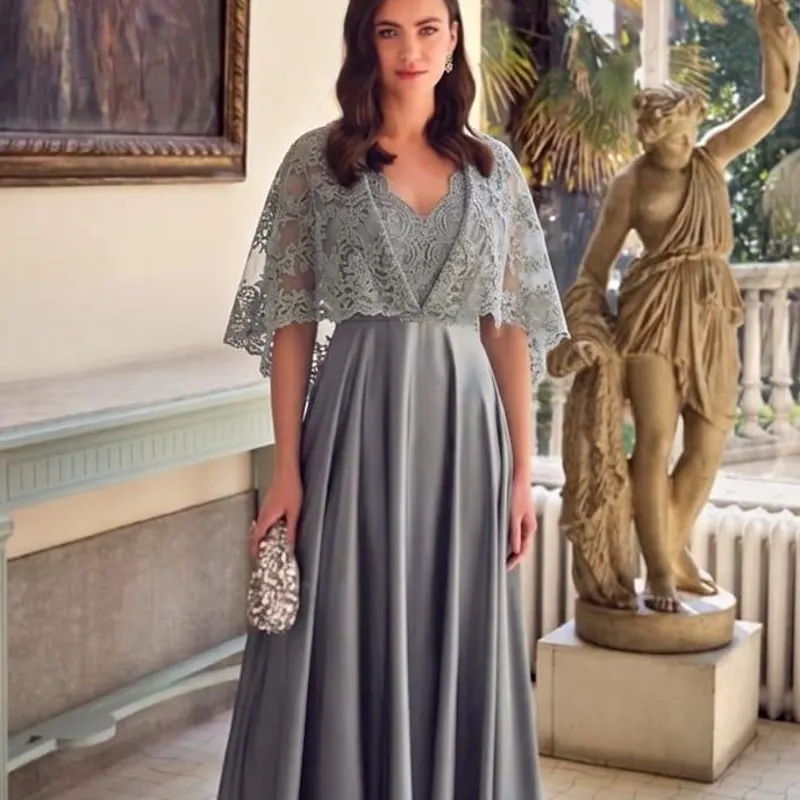
American wardrobes are tired of clothes that look beautiful for ten minutes and then betray you in the car. That is why Plisse Fabric Dresses have earned a serious place in everyday style, not as a passing trend, but as a practical answer to modern dressing. The charm is easy to see: soft texture, graceful movement, and a finish that does not collapse after one commute, brunch, or wedding toast.
For women building a closet around clothes that travel well and photograph even better, plissé feels almost unfair. It gives you polish without the stiffness of formalwear. It works for office lunches in Chicago, rooftop dinners in Miami, baby showers in Dallas, and weekend museum plans in New York. That rare mix of ease and elegance is exactly why fashion-focused platforms like modern lifestyle publishing keep paying attention to wearable pieces that solve real closet problems.
The best part is not the wrinkle resistance alone. It is the way the fabric lets you look dressed without feeling managed by your outfit. Some dresses demand posture, caution, and constant checking. Plissé lets you move.
Why Plissé Texture Feels Elegant Without Trying Too Hard
Style usually gets messy when comfort enters the room. Too often, soft dresses look casual, while elegant ones feel stiff, tight, or needy. Plissé sits in the middle with a kind of quiet confidence. Its tiny pleats create surface interest, so the dress has shape even before accessories enter the picture.
The Texture Does the Styling Work First
A smooth dress can look flat if the cut is too plain. Plissé avoids that problem because the fabric already carries movement. Light hits the ridges differently as you walk, which makes even a simple midi dress feel styled rather than unfinished.
That matters for American women who dress across many settings in one day. A black plissé dress can handle a morning meeting, a lunch reservation, and an evening event with only a shoe change. You are not depending on loud jewelry or heavy layering to make the outfit feel complete.
The counterintuitive part is that texture can make a dress feel cleaner, not busier. A well-cut plissé piece does not need prints or extra seams because the pleating supplies enough visual rhythm. The result feels graceful without sliding into costume territory.
Elegant Fabric Dresses Need Movement, Not Stiffness
A dress can be expensive and still look uncomfortable. You see it most clearly at weddings, where someone spends the whole night pulling at a bodice or smoothing a skirt that refuses to sit right. Elegance dies fast when the wearer looks trapped.
Plissé avoids that trap because the fabric moves with the body instead of fighting it. The vertical texture often gives the eye a longer line, which can make the silhouette feel more fluid. That is why elegant fabric dresses in this style work so well for dinners, showers, galleries, and semi-formal parties.
The smartest styling choice is restraint. Let the fabric carry the mood, then add one clear finishing note, such as sculptural earrings, a narrow belt, or a clean heeled sandal. Too many accessories flatten the effect because the dress already has its own pulse.
How Plisse Fabric Dresses Fit Real American Routines
A beautiful dress that only works in perfect conditions is not a wardrobe hero. It is a closet decoration. Plisse Fabric Dresses earn their value because they adapt to normal life: sitting, driving, packing, working, eating, and walking more than expected because parking was worse than planned.
Wrinkle Free Dresses Make Travel Less Annoying
Travel exposes weak clothing fast. A dress that looked perfect at home can come out of a carry-on looking defeated, especially after a packed flight or a long car ride. Wrinkle free dresses are not a luxury in that moment. They are sanity.
Plissé is useful because the texture hides minor compression better than smooth fabrics. The pleats give the surface a built-in pattern, so small creases do not announce themselves. A navy or espresso plissé midi can go from suitcase to dinner with far less panic than a crisp cotton shirt dress.
This is especially useful for long weekends. Think of a Boston-to-Nantucket trip, a Nashville bachelorette dinner, or a California wine country stay where you want one dress to do more than one job. The right plissé piece lets you pack lighter without looking like you packed carelessly.
Comfortable Summer Dresses Still Need Shape
Summer dressing in the United States can be brutal because air-conditioning and heat often argue with each other all day. You may be sweating outside a restaurant in Atlanta, then freezing under a vent ten minutes later. Comfortable summer dresses need airflow, but they also need enough structure to keep you looking put together.
Plissé handles that balance well when the cut is not too clingy. A sleeveless or short-sleeve version can feel breezy outdoors, while the textured fabric keeps the outfit from looking like a beach cover-up. Add a cropped cardigan or linen blazer, and the dress can survive indoor chill without losing its line.
The mistake is choosing a plissé dress that is too thin or too tight. Comfort is not only about stretch. It is about recovery, drape, and whether the dress lets you sit without creating a strange pull across the hips. A good one gives you room without swallowing your shape.
Choosing Cuts, Colors, and Lengths That Actually Work
Plissé can look graceful or cheap depending on the choices around it. The fabric has personality, so the cut has to be disciplined. When the shape, color, and length are right, the dress feels refined. When they are wrong, it can look like a costume from a sale rack.
Midi Length Gives the Most Outfit Range
The midi length is the safest starting point for most wardrobes because it bridges casual and polished settings. A knee-length plissé dress can feel playful, while a floor-length version can lean formal. Midi sits in the sweet spot, especially for women who want one dress for many plans.
For a practical example, a soft olive midi works with white sneakers for a Saturday farmers market in Portland. The same dress can shift with block heels and a gold cuff for dinner. That range is hard to beat when you want fewer pieces doing more work.
Length also affects the way the pleats fall. A midi gives the fabric enough room to move, which helps the dress feel fluid. Too short, and the texture can look cramped. Too long, and it may overwhelm petite frames unless the waistline is clearly defined.
Neutral Colors Make Pleated Midi Dresses Easier to Repeat
Bright plissé can look stunning, but neutrals usually earn more wear. Black, cream, taupe, navy, chocolate, charcoal, and olive let the texture speak without making the dress too memorable after one outing. That matters when you want real wardrobe mileage.
Pleated midi dresses in neutral colors also make accessories easier. A taupe dress can go warm with brown sandals, polished with black boots, or soft with ivory flats. The dress stays consistent while the mood shifts around it.
The unexpected trick is to avoid overmatching the texture with too many delicate pieces. Plissé already reads soft, so it often looks better with something firm beside it. Try a structured bag, a leather belt, or a clean blazer. Contrast gives the outfit backbone.
Styling Plissé for Work, Weekends, and Special Plans
A dress becomes valuable when it stops waiting for a “perfect occasion.” Plissé should not live only in the wedding guest section of your closet. With smart styling, it can move from weekday errands to polished evenings without looking overdressed or underplanned.
Office Styling Needs Clean Layers
Work outfits need a different kind of elegance. They should feel calm, capable, and easy to sit in for hours. A plissé dress can fit that mood when the neckline is modest, the length is balanced, and the layer on top has structure.
A tailored blazer sharpens the softness immediately. For a New York office, a black plissé midi with a gray blazer and pointed flats feels serious without becoming stiff. In a more casual Austin workspace, a belted knit jacket can soften the look while keeping it intentional.
The key is avoiding flimsy layers. A thin cardigan can make the dress look sleepy if the proportions are off. Structured cotton, light wool, faux leather, or a cropped jacket usually gives better balance because plissé needs something steady beside it.
Weekend Outfits Should Feel Relaxed, Not Careless
Weekend styling is where plissé can surprise people. Many assume the fabric belongs at dinners or parties, yet it can look relaxed when paired with grounded pieces. Sneakers, flat sandals, denim jackets, and straw totes all change the tone fast.
A cream plissé dress with clean white sneakers works for a museum afternoon or casual lunch. Add a denim jacket, and the outfit feels approachable instead of precious. The dress still looks pretty, but it no longer feels like you are waiting for an invitation.
This is where personal taste matters most. Some women prefer a loose, column-style cut with sandals. Others want a waist-tie version that gives more shape. Neither choice is more stylish by default. The better choice is the one you will wear on a normal Saturday without overthinking it.
Caring for Plissé So the Dress Keeps Its Shape
Low-maintenance does not mean no maintenance. Plissé is forgiving, but careless washing can still damage the texture, stretch the fabric, or flatten the pleats. Good care keeps the dress looking intentional instead of tired.
Washing Should Protect the Pleats
Care labels matter with plissé because blends vary. Some dresses handle gentle machine washing, while others prefer hand washing or dry cleaning. The safest habit is to use cold water, mild detergent, and low agitation when the label allows home care.
A mesh laundry bag helps protect the texture from snagging. It also keeps the dress from twisting around heavier items like jeans or towels. That small step can make the difference between a dress that keeps its line and one that starts to look warped.
Heat is the enemy. High dryer settings can flatten pleats, shrink fabric, or create shine on synthetic blends. Air drying is usually the better path, especially if you lay the dress flat or hang it in a way that does not stretch the shoulders.
Storage Can Make or Break the Shape
A plissé dress should not be crushed into an overcrowded closet. The fabric may resist wrinkles, but pressure can still affect how the pleats fall over time. Give it enough breathing room so the texture can hang naturally.
For heavier dresses, folding may be better than hanging if the weight pulls the garment downward. For lighter midi styles, padded or smooth hangers can help preserve the shoulder line. Cheap wire hangers are bad news because they create dents and awkward stress points.
Travel storage needs the same care. Roll the dress loosely instead of folding it into hard lines, or place it in a garment cube with soft items around it. The fabric is forgiving, but it rewards a little respect.
Making Plissé Feel Personal Instead of Trend-Driven
Trends can make a dress popular, but personal styling makes it yours. The danger with any recognizable fabric is that people start wearing it the same way. Plissé looks best when it reflects your actual life, not a mannequin formula.
Accessories Should Match the Mood, Not the Fabric
The easiest mistake is treating plissé as delicate from head to toe. Soft dress, soft shoes, soft bag, soft jewelry. The result can feel washed out, even when every individual item is pretty.
Better styling starts with mood. For a clean city look, pair a charcoal plissé dress with black ankle boots and a sharp shoulder bag. For a relaxed coastal day, choose flat sandals and a woven tote. For dinner, add metallic earrings and a small clutch.
One strong accessory usually beats several polite ones. A bold cuff, an architectural heel, or a rich leather belt can shift the whole outfit. Plissé does not need decoration as much as it needs direction.
The Best Dress Is the One That Solves a Closet Problem
Every closet has a gap. Some women need a dress that packs well for work trips. Some need something easy for church, brunch, or graduation weekends. Others want a dinner dress that does not feel tight after the appetizer.
That is where Plisse Fabric Dresses become more than pretty purchases. They solve the “I want to look dressed, but I refuse to suffer” problem. Few fabrics handle that sentence with as much grace.
The smartest buy is not always the most dramatic one. A neutral midi with a reliable lining, comfortable neckline, and clean movement may serve you more than a bright statement dress worn twice. Real style is not about owning the loudest piece. It is about reaching for the right one again and again.
Conclusion
A good dress should not make your day harder. It should help you move through it with less friction, whether you are heading into a meeting, catching a flight, walking into a dinner, or dressing for a family event where photos will appear online before dessert. Plissé works because it understands that modern elegance has to bend.
The real appeal of Plisse Fabric Dresses is not only that they look graceful. It is that they respect your time, your body, and the unpredictable pace of American life. They give you texture without fuss, polish without stiffness, and comfort without the dullness that often comes with “easy” clothes.
Choose the version that fits your actual routine. Look for good lining, thoughtful length, wearable color, and movement that feels natural when you walk. Then style it with enough contrast to make it feel like yours. Start with one dress you can wear three different ways, and let your closet prove how powerful the right fabric can be.
Frequently Asked Questions
Are plissé dresses good for travel?
Yes, they are one of the better dress options for travel because the textured fabric hides minor creases better than smooth materials. They pack well, dress up easily, and can move from daytime plans to dinner with a simple change of shoes or jewelry.
What body types look good in plissé dresses?
Most body types can wear plissé well when the cut is right. A defined waist helps create shape, while a straighter column cut can look clean and modern. The key is choosing fabric that drapes rather than clings tightly across the body.
Can I wear a plissé dress to work?
Yes, a plissé dress can work in many offices when styled with structured layers. Choose a modest neckline, midi length, and neutral color. Add a blazer, sleek flats, or low heels to keep the outfit polished instead of party-focused.
How do you wash a plissé dress without ruining it?
Always check the care label first because fabric blends differ. Cold water, mild detergent, and gentle handling are usually safest for washable styles. Avoid high heat, heavy spinning, and rough drying because those can weaken the pleats or distort the shape.
Are plissé dresses only for summer?
No, they can work year-round with the right styling. Sleeveless versions feel breezy in warm weather, while long-sleeve or darker midi styles pair well with boots, jackets, and coats. The fabric’s texture makes it useful beyond one season.
What shoes look best with pleated midi dresses?
Block heels, flat sandals, ankle boots, pointed flats, and clean sneakers can all work. The best shoe depends on the occasion. A structured shoe often balances the softness of the pleats, while sneakers make the dress feel more relaxed.
Do plissé dresses wrinkle easily?
They usually resist visible wrinkling better than smooth dresses because the pleated texture disguises small creases. That does not mean they are impossible to damage. Poor storage, high heat, or tight folding can still affect the fabric over time.
How do I make a plissé dress look more casual?
Pair it with simple grounded pieces such as sneakers, flat sandals, a denim jacket, or a woven tote. Keep jewelry minimal and avoid overly formal bags. Casual styling works best when the dress still looks intentional, not like eveningwear forced into daylight.