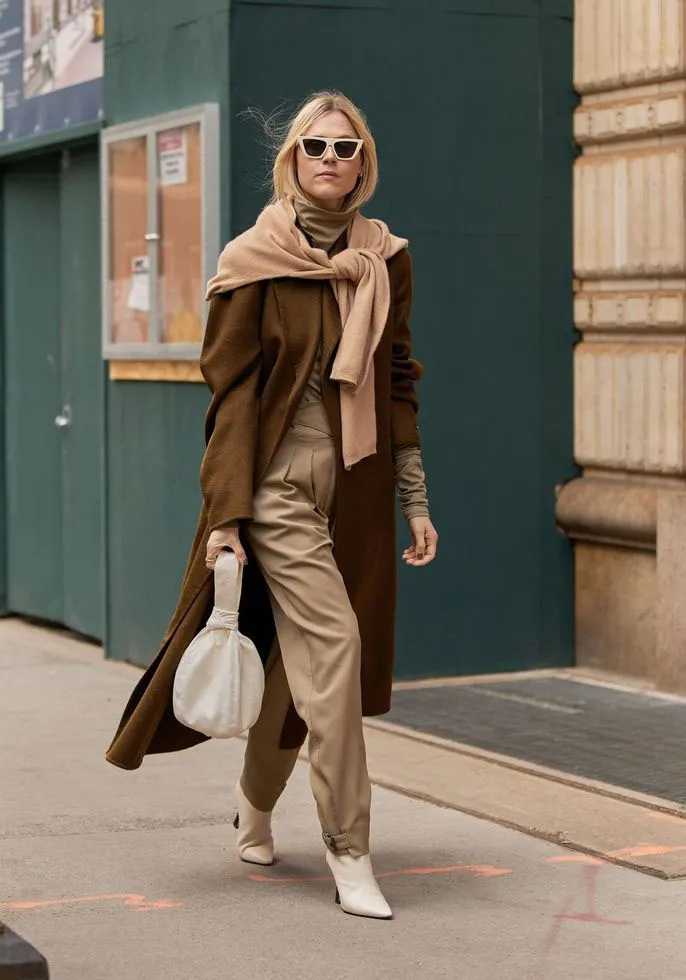
Bad layering makes you feel stuffed, stiff, and slightly ridiculous. Good layering changes your posture before it changes your outfit. That is the real magic of layered style tips—they do not just make you look better, they make you carry yourself like you meant to be seen.
I learned that after years of throwing on one more cardigan, one more scarf, one more “just in case” piece and wondering why I looked heavier, older, and less like myself. The problem was never the clothes. The problem was the order, the shape, and the fact that confidence disappears fast when you feel trapped inside your own outfit. Once I started dressing with intention, everything shifted. A clean base, a smart middle layer, and one outer piece with purpose can do more than a closet full of trendy junk.
That is why women who always look pulled together rarely wear more expensive clothes than everyone else. They just know when to stop. They know when contrast helps, when softness flatters, and when a jacket earns its place. Even fashion editors still return to smart layering season after season for a reason. Vogue recently highlighted how intentional layering adds shape, color, and personality rather than just warmth.
If your wardrobe feels flat, this is where you fix it.
Start With a Base That Does Not Fight Back
A strong layered outfit begins with the piece nobody praises. Your base layer does the quiet work, and when it fails, the whole outfit starts misbehaving by lunch.
A fitted tank, slim tee, soft button-down, or fine knit usually works because it stays close to the body without clinging in strange places. That matters more than trend. If your first layer bunches under your arms or balloons at the waist, the next two layers will punish you for it.
I made this mistake for years with oversized cotton shirts. They looked breezy on hangers and chaotic on my body once I added a sweater or blazer. The fix was boring and brilliant: thinner fabric, better shoulder seams, less volume. That one change made everything above it fall better.
Texture also matters at the base. Smooth fabrics help the next layer slide, while thick fabrics create friction and bulk. You do not need a science degree for this. You need honesty in a mirror.
This is also where comfort earns its keep. When your first layer feels clean, breathable, and easy to move in, you stop tugging at yourself every ten minutes. Confidence hates fidgeting.
Before you add anything else, ask one blunt question: does this first piece make the rest of the outfit easier? If the answer is no, start over there.
Use One Fitted Piece to Keep the Whole Look Sharp
Layering goes wrong when every item wants to be the star. You need one piece that holds the line, or the outfit starts drifting into mess.
That anchor can be slim trousers, a neat knit dress, a tucked tee, or a close-cut waistcoat. Something has to create shape. Otherwise you are just stacking fabric and hoping personality will save it.
I remember seeing a woman in a café wearing a loose trench, wide-leg trousers, and a roomy sweater. On paper, that sounds like too much. In real life, it worked because she had a fitted ribbed top underneath and the sweater stopped at the waist. The eye could rest. That is the whole trick.
A lot of women think confidence dressing means wearing bigger clothes to hide in. Sometimes it does the opposite. Sometimes one sharper piece makes you look calmer, taller, and more sure of yourself. Not tighter. Smarter.
This is where many of the Best Style Ideas for Modern Women Fashion fall apart online. They show pretty layers with zero structure, then wonder why real women try them once and never again.
Keep one line clean. Let one garment define your shape. Then the looser pieces around it look deliberate, not accidental. That difference is small on paper and huge on your body.
Layered Style Tips That Make You Look Taller, Cleaner, and More Put Together
Most women think layering adds bulk. It can, but that is lazy layering. Smart dressing creates direction, and direction makes you look polished.
The easiest fix is vertical flow. Leave a jacket open. Let a scarf fall long instead of wrapping it into a padded knot. Choose a cardigan that skims instead of droops. Your eye should move up and down, not get stuck in the middle.
Length matters more than people admit. A cropped jacket over a longer shirt can look stylish, but only if the proportions make sense. When every hem lands at a random spot, your body looks visually chopped up. That is why some outfits feel “off” even when every piece is nice.
Color can help here too. I am not saying you need full monochrome every day. I am saying a tonal outfit with one contrast piece often looks calmer than five competing shades. Cream, tan, navy, charcoal, olive—those colors play well together without begging for attention.
Footwear finishes the line. Ankle boots under straight trousers, loafers with cropped pants, or a sleek trainer with a long coat can all work. Clunky shoes with heavy layers can drag the whole look down fast.
The goal is not to look thinner. The goal is to look resolved. There is a difference. One comes from insecurity. The other comes from taste.
Mix Texture Like You Know What You Are Doing
The fastest way to make simple clothes look rich is texture. Not logos. Not loud prints. Texture.
A cotton shirt under a wool vest feels smarter than two flat fabrics piled together. A satin skirt with a chunky knit has tension, and tension makes outfits interesting. Denim under a tailored coat gives you edge without turning you into a costume.
I once wore a soft grey knit over a crisp white poplin shirt with dark jeans and tall boots to a dinner I almost skipped because I felt underdressed. Three women asked where I bought the sweater. It was old, cheap, and completely forgettable on its own. The contrast did the work.
This is where you can have a little fun without losing the plot. Pair smooth with rough. Pair matte with slight shine. Pair something soft with something firm. Your outfit needs friction in the artistic sense, not the uncomfortable sense.
You do not need five textures at once. Two strong ones and one quiet one usually do the job. More than that, and the outfit starts trying too hard.
Fashion people love to talk about personal style like it is mystical. It is not. Often it is just pattern recognition. You learn which mixes make plain pieces look intentional, then you repeat that wisdom with better judgment.
Stop Before the Outfit Starts Explaining Itself
The hardest part of layering is restraint. Most bad outfits are one extra idea away from being good.
You know the moment. The outfit looks solid, then you add the giant necklace, or the printed scarf, or the extra belt, and suddenly it feels like you are explaining your taste instead of wearing it.
Confidence has editing. That is the part people miss.
When you build a layered look, pick the point of interest early. Maybe it is the long coat. Maybe it is the collar under the knit. Maybe it is the skirt under the blazer. Once you know the point, protect it. Do not bury it under more noise.
This matters even more now because trend cycles move at a ridiculous speed. Your feed will tell you to stack charms, jackets, cardigans, baseball caps, boxer waistbands, and four references to the early 2000s before breakfast. Real life is less forgiving. Chairs exist. Weather exists. Your body exists.
That is why the women who dress well over time do not chase every styling trick. They edit hard. They know when enough has arrived.
If you want a wardrobe with staying power, read pieces like how to build a smart capsule closet and easy outfit formulas for busy mornings. Both matter because layering only works when the clothes underneath deserve the effort.
Confidence Looks Better Than Perfection
Here is the truth nobody tells you: the best layered outfits are not perfect. They are settled. They look like the woman wearing them trusts her own eye, and that always reads better than trend obedience.
You do not need more clothes to dress with more authority. You need better decisions. Start with a base that behaves, hold shape with one fitted piece, create cleaner lines, mix textures with intent, then stop while the outfit still feels like you. That formula works in office wear, weekend dressing, dinners, school runs, and those strange in-between days when the weather cannot make up its mind.
The best part is that this approach ages well. It does not depend on being twenty-two, sample-size slim, or willing to buy a new personality every season. It depends on paying attention. That is good news, because attention gets sharper with practice.
So try this tomorrow: build one outfit with fewer pieces than you usually wear, then swap only one layer until the look clicks. Take a photo. Save what works. That is how personal style grows—through evidence, not fantasy.
And if you want a wardrobe that feels stronger every week, not just prettier for one afternoon, start with layered style tips and treat them like skill, not decoration.
What are the best layered outfit ideas for women who want to look confident?
The best layered outfits start with a slim base, add one shaping piece, and finish with an outer layer that has presence. Confidence comes from clean proportions, not piling on random clothes.
How do you layer clothes without looking bulky or overdressed?
You avoid bulk by keeping at least one layer close to the body and choosing fabrics that slide instead of bunch. The second part is editing hard before you leave the house.
Which fabrics work best for stylish layering in everyday outfits?
Thin cotton, fine knits, denim, wool blends, and satin usually play nicely together because they create contrast without turning stiff. Heavy fabrics stacked together often make the outfit feel heavy too.
How can women layer clothes for warm weather without feeling trapped?
Warm-weather layering works when you use light fabrics, open silhouettes, and pieces that can come off easily. Think tank, shirt, and light blazer rather than sweater, coat, and scarf.
What is the biggest layering mistake women make with fashion?
The biggest mistake is adding too many roomy pieces at once. When nothing defines your shape, the outfit loses direction and starts looking accidental instead of considered.
How do you make layered outfits look expensive on a budget?
You make them look expensive through fit, fabric contrast, and restraint. A crisp shirt, clean knit, and sharp coat will always beat a closet full of cheap trend clutter.
Can layered fashion work for petite women without shortening the body?
Yes, but proportion matters more for petite frames. Keep your lines long, avoid awkward hem breaks, and let one vertical element guide the eye from shoulder to ankle.
What colors make layered outfits look more polished and grown-up?
Tonal shades usually look calmer and more refined because they let shape and texture do the talking. Navy, cream, camel, olive, charcoal, and soft white rarely let you down.
How do I layer clothes for the office and still look modern?
Office layering looks modern when it stays sharp and useful. Try a fitted knit under a blazer, or a clean shirt under a sleeveless dress, then keep accessories restrained.
Are oversized pieces bad for layering if I want a flattering shape?
Oversized pieces are not the enemy. Wearing too many at once is. One oversized layer paired with something cleaner underneath usually feels relaxed and flattering instead of sloppy.
How do I build a layered wardrobe without buying too many new pieces?
Start with versatile basics that earn repeat wear: a fitted tee, a neat shirt, a cardigan, a blazer, and one coat with shape. Then mix them harder before you shop more.
Why do some layered outfits look effortless while others look forced?
Effortless outfits have a clear point of view and no extra clutter. Forced outfits usually show every styling idea at once, which makes the person disappear behind the clothes.