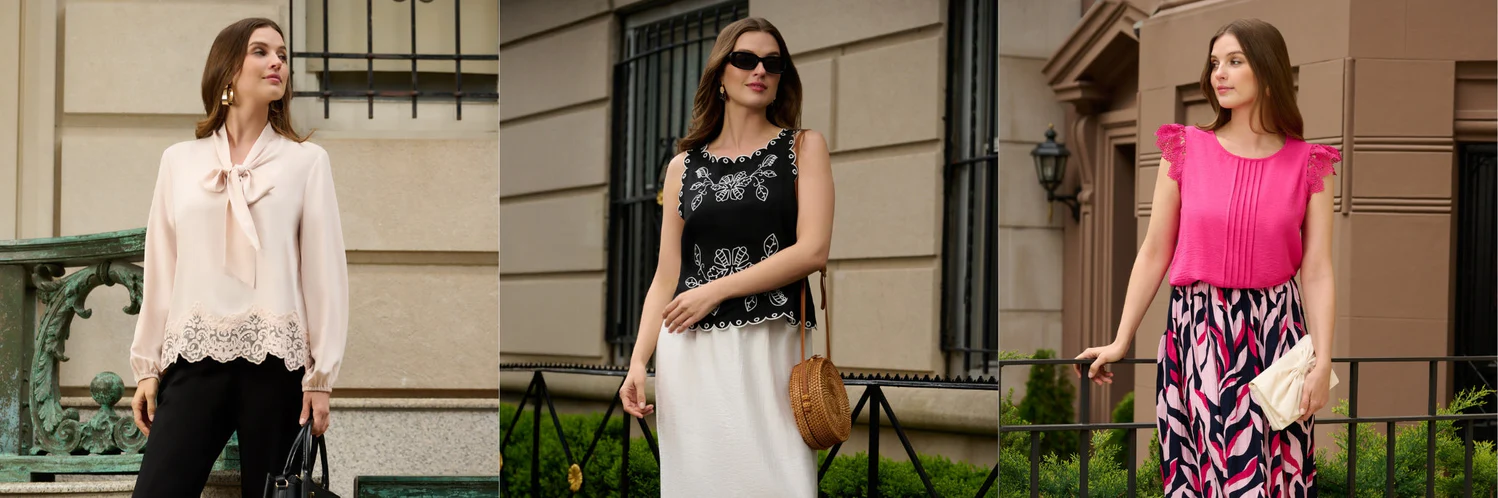
Most women do not need more clothes. They need better order, better shape, and better restraint. That sounds harsh, but it is true. A closet full of good pieces can still produce flat outfits when every layer fights for attention. I have seen this happen on rushed weekday mornings, before dinners that mattered, and in fitting rooms where a promising look turned strangely heavy the second a third piece got added.
That is why Top Styling Layers for Modern Women Looks matters as a real styling skill, not some fluffy fashion phrase. Layering changes how your outfit moves, where the eye lands, and whether you look considered or just bundled up. The difference is small on paper and huge in real life.
The good news is that stylish layering is not about dressing louder. It is about dressing sharper. Even fashion editors still return to strong basics, clean proportions, and intentional contrast when they build layered outfits. Recent runway coverage from Vogue keeps circling back to that same idea: layer with purpose, not panic.
Start with a base that earns its place
A strong layered outfit begins with the piece nobody compliments first. That is the base. It might be a fitted tank, a crisp shirt, a fine knit, or a clean dress that sits close to the body. If that first layer bunches, sags, or grabs in the wrong place, the rest of your outfit has no chance.
Fit does more work than trend ever will. A soft ribbed tank under a relaxed blazer looks polished because the silhouette has tension built into it. One piece skims, the other floats. That contrast gives the outfit shape before color or accessories even enter the room.
I learned this while trying to force oversized pieces to cooperate. Baggy shirt, loose cardigan, wide trousers. On a hanger, chic. On a body, chaos. The fix was almost boring: slim the base, then let one outer layer breathe. Suddenly the same wardrobe looked expensive.
You should also think about fabric weight early. Thin under thick works. Thick under thick often turns you into your own laundry pile. That sounds rude, but your mirror knows I’m right.
Use length to create movement, not clutter
Once your base works, length becomes the real styling trick. Good layering guides the eye up and down in a clean line. Bad layering chops the body into confused sections. You do not need to be tall to pull it off. You need rhythm.
A longer shirt peeking under a cropped knit can look sharp because it creates deliberate contrast. A midi skirt under a tailored coat can feel graceful because the lengths speak to each other instead of colliding. What fails is random overlap with no visual logic.
This is where a lot of women lose the plot. They add a long cardigan over a tunic over wide jeans and hope texture will save it. It will not. Length must feel edited. One longer piece is elegant. Three competing hemlines start an argument.
I still love the old workwear move of a white poplin shirt under a fitted crewneck with straight trousers and loafers. It works on office days, coffee runs, and those awkward dinner plans where nobody tells you the dress code. It is useful because it has line, not noise.
And yes, shorter women can wear long layers. Keep the inner shape neat, show the ankle or wrist, and stop assuming every long piece is the enemy.
Top Styling Layers for Modern Women Looks work best when texture does the talking
Texture saves outfits that color alone cannot fix. That is my firm opinion, and I have the wardrobe scars to prove it. When every piece is smooth and flat, your outfit can look finished but forgettable. Add one tactile contrast, and the whole thing wakes up.
Think cotton with suede, fine knit with denim, silk with wool, or structured twill with soft jersey. The point is not drama. The point is tension. You want pieces that feel different enough to create interest without starting a costume situation.
One of my favorite real-life combinations is a cream tee, dark jeans, a brushed cardigan, and a leather belt with some age on it. Nothing about that outfit is loud. Yet it has more personality than many trend-driven looks because the surfaces do the heavy lifting.
Runway styling keeps reinforcing this idea. Vogue and Harper’s Bazaar both pushed layering that mixed basics with richer textures rather than piling on random statement pieces. That pattern shows up because it works off the runway too.
The mistake to avoid is stacking too many “special” fabrics at once. Satin, faux fur, sequins, and patent leather in one look do not make you fashion-forward. They make you look undecided.
Color needs a plan before accessories show up
Color can make layered dressing look modern in seconds, or ruin it just as fast. You do not need a big palette. You need a believable one. The smartest layered outfits usually begin with two grounded shades, then add one accent that feels intentional.
Monochrome works because it stretches the frame and calms the eye. That is why tonal dressing in cream, charcoal, navy, or chocolate keeps surviving every trend cycle. It looks pulled together even when the outfit itself is simple. Simple is underrated.
Contrast works too, but only when it feels anchored. A camel coat over black basics lands well because the foundation is steady. A pale blue shirt under a grey knit feels fresh because the shift is controlled. Random bright pieces thrown together rarely look bold. Mostly they look unfinished.
This is also where scarves, shoes, and bags should earn their keep. If your layers already carry shape and texture, your accessories should support that story, not hijack it. I would rather see one sharp burgundy shoe with a neutral outfit than five accessories begging for applause.
Fashion coverage this year has also leaned into transitional dressing with focused color accents rather than messy overstyling. That tells you something useful: the polished look still wins.
Modern layering fails when comfort gets ignored
A stylish outfit that needs constant tugging is not stylish for long. You start your day feeling polished and end it adjusting sleeves, pulling waistbands, and regretting every choice. The best layered looks stay put. That matters more than people admit.
Comfort begins with mobility. Can you sit, walk, reach, and breathe without a private crisis? If not, edit the outfit. A trench over a knit dress can look elegant, but not if the sleeves lock your arms in place. A shirt under a sweater can feel smart, but not if the collar scratches your neck all day.
Temperature matters too. A lot of women overdress for the idea of layering instead of the weather they actually live in. You do not need five pieces to look considered. Sometimes a tank, light shirt, and one strong outer layer beat a bulky stack every time.
I think the most modern dresser in the room is usually the woman who looks at ease. She is not fussing with hems. She is not suffering for the outfit. She chose layers that move with her life, not just with her mirror.
That is the level to aim for. Not perfection. Wearability with standards.
Conclusion
Style gets better when you stop treating layering like decoration and start treating it like structure. That is the shift that changes everything. Once you understand base, length, texture, color, and comfort, you stop guessing. You start editing. And edited outfits almost always look smarter than overloaded ones.
The real power of Top Styling Layers for Modern Women Looks is not that it helps you dress for cold weather or changing seasons. It helps you build a wardrobe that behaves. Your clothes start working together instead of competing for attention. You waste less time, buy less nonsense, and get more out of what you already own.
That is a better deal than chasing every new micro-trend thrown at you.
So here is the next step: pick three outfits from your current closet this week and rebuild each one with fewer, better layers. Change the base. Adjust the length. Remove one fussy extra. Then look again. You will see the difference fast. And once you do, you will never get dressed the old way again.
What are the best base pieces for layered outfits for women?
The best base pieces sit close to the body and stay smooth under other clothes. Start with fitted tanks, fine knits, clean tees, slim button-downs, and simple dresses that do not bunch when you add another layer.
How do you layer clothes without looking bulky?
You avoid bulk by keeping the first layer neat and letting only one outer piece carry volume. Slim under relaxed works well. Loose over loose usually makes the whole outfit feel heavy and shapeless.
Which colors work best for modern layered fashion?
Neutral shades win because they make layering look calm and expensive. Black, cream, navy, grey, and brown create an easy base, then one accent color can add life without turning the outfit into a visual mess.
How can petites wear layered outfits and still look balanced?
Petite women do well with clean inner lines, visible wrists or ankles, and outer layers that do not swallow the frame. Length is not the problem. Poor proportion is the problem, and that can be fixed.
What fabrics should you mix for stylish layers?
Mix fabrics that feel different but still belong in the same story. Cotton with leather, knit with denim, silk with wool, and poplin with soft tailoring all create interest without making the outfit look forced.
Are oversized pieces good for layering or a bad idea?
Oversized pieces are great when you control them. One roomy blazer, coat, or knit can look chic over a neat base. Two or three oversized layers together usually lose shape fast and drag the outfit down.
How do you style layers for work without looking too formal?
Keep the formula simple and sharp. A fitted tee or shirt under a blazer, straight trousers, and one polished shoe does the job. You want structure, not stiffness, especially if your day includes both meetings and errands.
What is the easiest layered outfit formula for everyday wear?
A fitted tank or tee, straight-leg jeans, one knit or shirt layer, and a clean jacket is the easiest formula to repeat. It works because every piece has a job and nothing feels like filler.
Can layering make basic clothes look more expensive?
Yes, and faster than most people think. Basic clothes look better when they show contrast in shape, texture, and length. You do not need luxury labels when your outfit feels intentional from the first glance.
How many layers should a stylish outfit usually have?
Most strong outfits need only two or three visible layers. More than that can work, but only when the proportions are tightly controlled. For everyday life, restraint usually looks sharper than excess.
What accessories work best with layered looks for women?
Accessories should support the outfit instead of fighting it. A belt, sleek bag, scarf, or strong shoe often adds enough personality. This is where Best Style Ideas for Modern Women Fashion gets practical, not theatrical.
How do you make layered outfits feel current instead of dated?
You make them current by cleaning up the silhouette and dropping tired styling habits. Swap stiff matching sets for mixed textures, keep the palette focused, and borrow from Best Style Ideas for Modern Women Fashion only when it suits your real life.